

n recent years, virtual labs in Science, Technology, Engineering, and Mathematics (STEM) education have emerged as a powerful tool to bridge resource gaps, enhance pedagogical engagement, and transform science learning across Africa’s universities. Simulation tools not only democratize access to quality science education but also amplify student confidence and institutional resilience.
This article explores what virtual labs are, why they are essential in Africa, core features of standout platforms, real-world success stories, adoption challenges, and practical steps for deploying them effectively in African higher education.
What Are Virtual Labs and How Do They Work?

Virtual labs are comprehensive simulation environments, often cloud-based platforms or standalone software, where students conduct experiments in academic disciplines such as physics, chemistry, biology, computer science, and engineering. Through rich interactive interfaces, 3D visuals, gamified scenarios, and real-time feedback, learners explore theoretical concepts and empirical methods as if they were in physical labs.
Unlike remote labs, where learners control actual equipment via live cameras, virtual labs simulate equipment and materials on-screen, eliminating the need for physical hardware. This makes them ideal for regions where laboratory infrastructure is limited or prohibitively expensive.
Why Virtual Labs Matter in African STEM Education
1. Limited Access to Physical Infrastructure
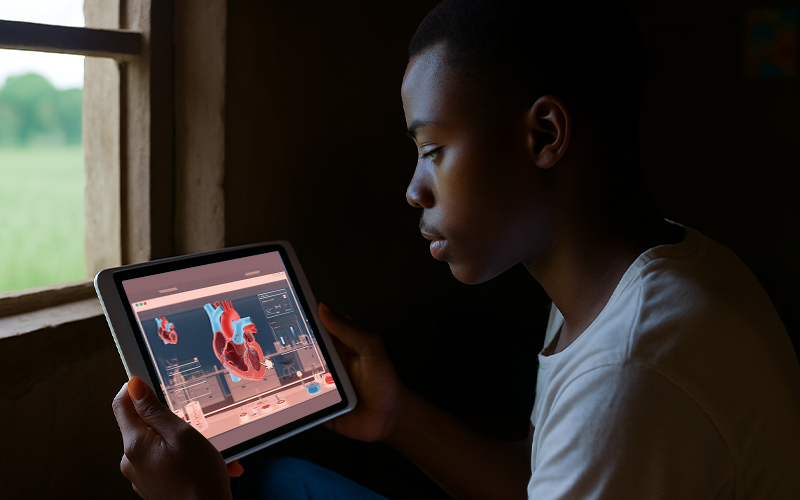
Many African universities and secondary schools face chronic shortages of lab space, equipment, and specialist staff. Reports from sub-Saharan Africa highlight that many computer and STEM labs exist but are often non-functional, under-resourced, or inaccessible due to overcrowded classes.
2. Cost Savings & Accessibility for Remote Students
Since students can engage with virtual labs using a low-cost device and internet connection, even preloaded software for offline use, these tools enable science engagement beyond the labs. In Tanzania and South Africa, virtual lab systems have freed learners from physical constraints during rainy seasons and travel disruptions.
3. Enhanced Engagement & Learning Outcomes
Platforms like Labster have proven to raise STEM pass rates and student engagement globally. Labster reports a full-grade increase in performance and 82% student engagement. In Nigeria, similar pilot implementations sparked genuine curiosity; students reportedly began asking questions rather than copying notes.
Key Features of Effective Simulation Tools
When choosing simulation tools, African universities should prioritise:
| Feature | Why It Matters |
| Interactive Experiments | Real-time manipulation of virtual objects helps students learn by doing, not just reading. |
| Instant Feedback & Progress Tracking | Automated grading, hint systems, and dashboards support learner independence and faculty insight. |
| LMS Integration | A seamless plugin with platforms such as EdiifyLMS reduces friction in adoption and supports blended learning. |
| Offline Capabilities | In settings with patchy connectivity, the ability to preload simulations ensures continuity. |
Additional useful features include gamification elements (points, badges) to boost motivation, and compatibility with mobile devices, important in student populations more likely to own smartphones than laptops.
Success Stories and Examples
Amrita Virtual Labs in Kenya, Uganda & Zambia
Amrita Vishwa Vidyapeetham’s virtual lab initiative, deployed via Commonwealth of Learning and Kenya Technical Trainers College, created computer-simulated experiments in biotechnology, chemistry, and mechanical engineering. Participants praised it as a practical complement to physical labs, especially where real apparatus is dangerous or too expensive.
Nigeria’s Labster Labs in Schools
Through partnerships like I‑Read Afrika Foundation, Labster was introduced in Lagos schools. Teachers noted its cost-effectiveness and ability to reinforce theoretical concepts via gamified storytelling and real-time quizzes.
Rural South Africa & Tanzania
Studies in rural contexts emphasise the reliability of offline simulation and teacher-reducing dependencies, especially where labs are non-existent and turnover is high. Teachers can deliver quality science instruction even with limited training.
Common Challenges in Adoption
1. Internet & Electricity Dependency
Uneven connectivity affects platform performance. Nigeria’s rural penetration rate is about 55%, and unreliable power often disrupts access.
Solution: Prioritise offline-capable platforms and invest in solar/battery backup and local downloading for rural deployments.
2. Teacher Readiness & Digital Literacy
In SSA, teacher ICT proficiency and technical support remain barriers. Many educators struggle with integration.
Solution: Conduct sustained professional development, peer coaching, and involve teachers in piloting to build confidence.
3. Licensing Costs & Integration Hurdles
Subscription fees and LMS adaptations pose financial and technical challenges; large universities may find annual pricing prohibitive.
Solution: Negotiate educational pricing, seek grant funding from institutions like UNESCO, World Bank, African Union, and leverage pilot phases before wide rollout.
Steps for Institutions to Get Started
1. Identify Subject Gaps
Audit current science program offerings and pinpoint where physical labs are absent or equipment is outdated. Prioritise high-impact courses like introductory chemistry and physics.
2. Choose a Scalable Vendor
Evaluate offerings such as Labster, Amrita, and other specialised STEM providers. Consider:
- Offline/online flexibility
- Simulations relevant to your curriculum
- LMS interoperability
- Support & training services
- Urban vs rural deployment costs
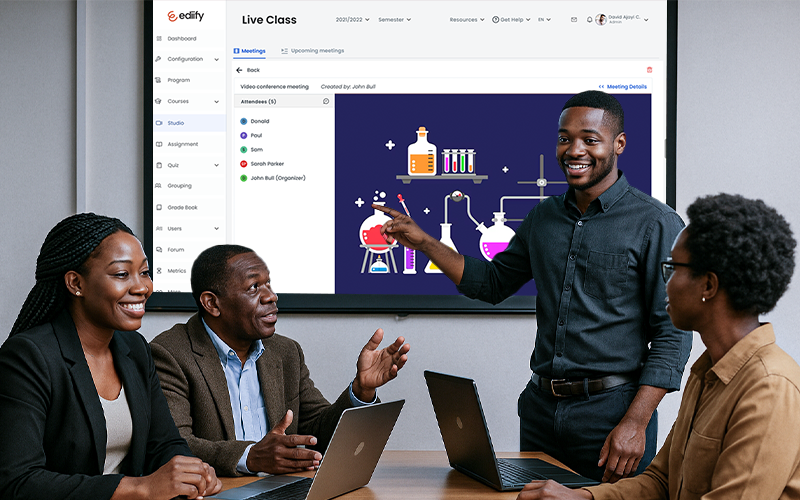
3. Run Pilot with Instructor Training
Select a small group of faculty to run a semester-long pilot. Support them with:
- Hands-on workshops
- Access to mentor/tutor community
- Equipment for students (laptops, tablets)
4. Evaluate & Iterate
Use metrics like student engagement, knowledge gain, pass rates, and instructor feedback. Be prepared to troubleshoot connectivity challenges and adjust workflows.
5. Scale with Funding & Partnerships
Leverage results to make the case for funding. Explore:
- African Union education grants
- World Bank edutech investments
- UNESCO ICT programs
Collaborate with device providers and NGOs to bundle hardware and software deployment.
Broader Benefits Beyond Labs
• Inclusivity & Equity
Virtual labs mitigate the urban/rural divide, enabling STEM learning for underserved students. Offline-capable simulations can be deployed in community centres to reach wider audiences.
• Resilience During Disruptions
Virtual labs support continuity during strikes, pandemics, or infrastructure failures. As seen in COVID-era teacher training, creative use of platforms like WhatsApp helped maintain interactive learning.
• Faculty Professional Growth
Teachers become tech-fluent and adopt inquiry-based learning, enhancing classroom dynamics and pedagogical innovation, a core recommendation from UNESCO.
Future Tech in African Virtual Labs
Emerging technologies like virtual reality (VR) and AI stand to transform the learning landscape further. A Ghanaian pilot in VR-based teacher education showed strong initial interest in immersive experiences, though infrastructure remains a challenge.
Similarly, AI teaching assistants like “Kwame for Science”, launched in West Africa, demonstrated 87% answer accuracy in classroom deployment, suggesting potential synergy with virtual labs.
By layering simulations with AI feedback and immersive tools, Africa’s STEM education ecosystem could leapfrog toward world-class standards.
Deploying virtual labs in STEM education offers a pragmatic and scalable way for African universities to leapfrog rote schooling and lab shortages. With the right tools, training, and partnerships, institutions can deliver vibrant, inquiry-driven science education that rivals global standards.
Through these steps, African STEM programs become more inclusive, resilient, and aligned with 21st‑century learning demands.
- Begin with a pilot in a core science course
- Ensure offline-ready tools
- Invest in teacher training
- Seek collaborative grants
Start your virtual lab journey today. Contact Edutech Global.