

Blockchain technology in education is a vital response to a growing problem: falsified academic records and fraudulent certificates. As more people move across borders for work or study, and as more institutions digitise or expand, the potential for fake credentials, misrepresented transcripts, and undocumented learning increases. For many employers and universities, verifying the authenticity of academic records has become a painful burden. Delays, errors, lost documents, and outright fraud are no longer negligible.
In Nigeria and across Africa, the issue of “certificate mills,” fake degrees and bogus qualifications has gained official attention. Governments are under pressure to protect the integrity of education. For example, new national credential-verification initiatives are being introduced to curb fake certificates. Outside Africa, the problem of unverified diplomas and false credentials undermines global trust in the educational system.
Against that backdrop, blockchain, with its decentralised, tamper-resistant ledger, offers a foundational shift. It means credentials and academic records can be issued, stored, shared, and verified in ways that make forgery incredibly difficult. In 2026, as mobility, remote learning, cross-border employment, and global scholarship applications become standard, reliable verification is a major priority.
Read More: Blockchain in Education: Securing Credentials and Academic Records
How Blockchain Protects Student Records
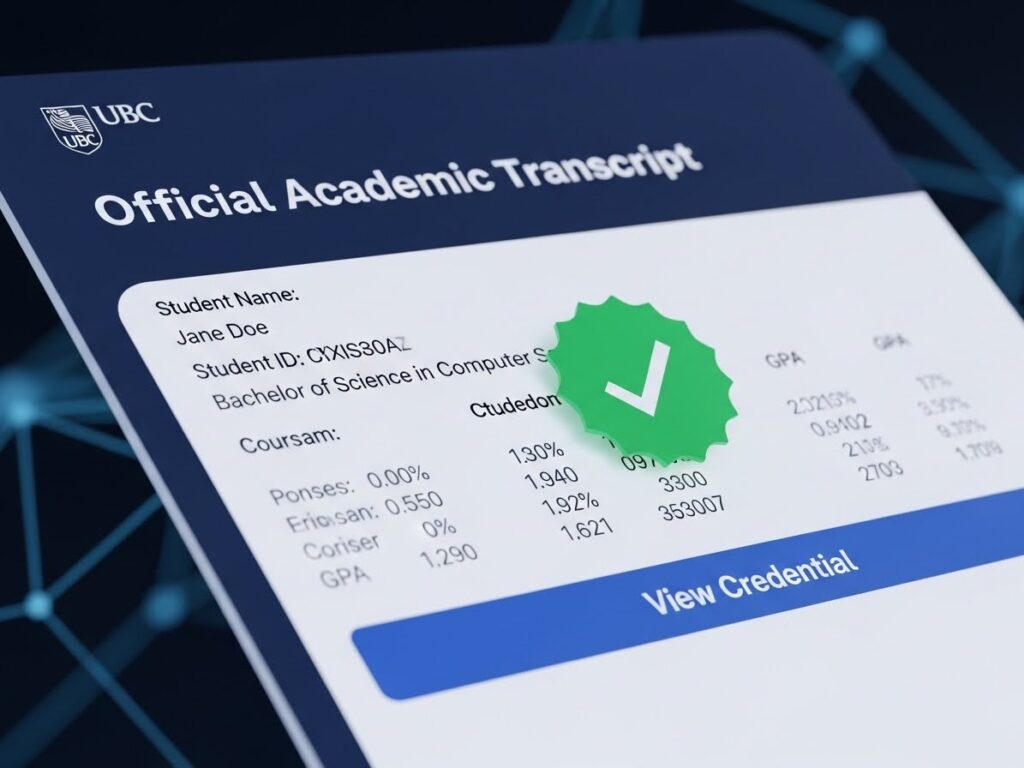
One of the most powerful features of blockchain is immutability. Once a record is written on a properly implemented blockchain, it cannot be altered without detection. That simple property transforms how certificates and transcripts can be handled. Instead of paper documents, prone to loss, duplication, forgery or alteration, educational credentials can exist as digital records on a distributed ledger.
Imagine a graduate finishing university. Instead of waiting days or weeks for a physical transcript, the institution issues a “digital diploma” recorded on the blockchain. The student receives a secure credential, often accessed via a digital wallet or credential-wallet system, that contains cryptographic proof of their achievement. This record is stored in a decentralised ledger, replicated across many nodes. No single institution controls it. Changing or faking the credentials would require compromising the entire network, which is prohibitively difficult.
When an employer, university, or regulator needs to verify the credentials, they simply query the blockchain. Within seconds, they can confirm the authenticity, date of issuance, which institution issued it, and possibly even more metadata (like the course of study, grades, etc.), depending on how the system is designed. There’s no need to contact the issuing university manually, no waiting, and no risk that the document has been tampered with.
Because students control their own credentials, via digital wallets, they decide when and with whom to share them. That adds a new dimension of privacy and portability. Whether they apply for a job, a scholarship, or admission abroad, they carry a portable, verified, tamper-proof academic identity.
Thus, blockchain doesn’t only store records, it empowers learners with ownership, security, and control.
Use Cases Africa Will See by 2026
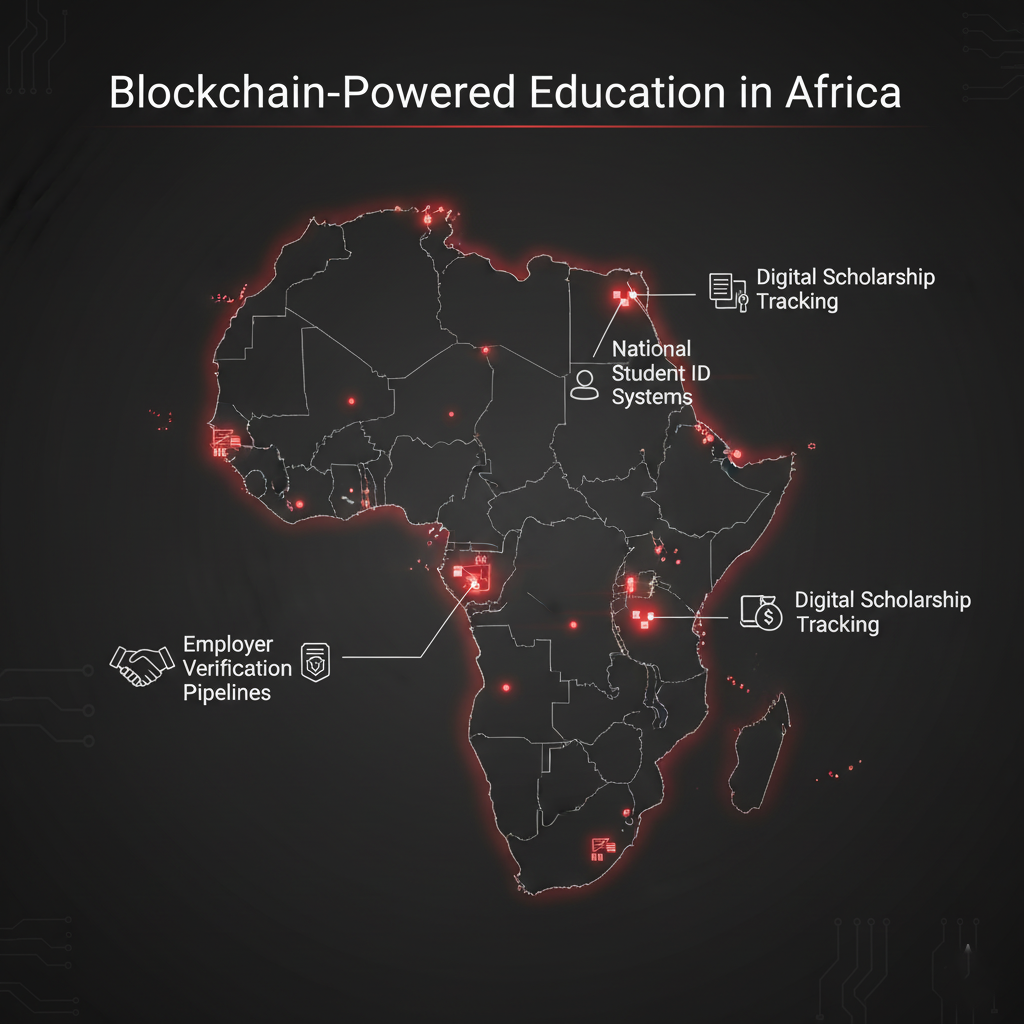
By 2026, we expect several concrete use cases of blockchain in education to emerge across Africa, especially as governments, universities, and employers begin to recognise and adopt the technology. Here are some of the most compelling:
1. University-to-Employer Verification Pipelines
Many African graduates apply for jobs, scholarships, or further studies both within Africa and abroad. A blockchain-based credentialing system can create a seamless verification pipeline: once a student graduates and receives credentials on the blockchain, employers can verify those credentials instantly. This eliminates delays, reduces the risk of hiring based on forged certificates, and promotes fairness.
2. National Student Identity Registries
Governments or regulatory bodies could maintain a blockchain-based registry of all students, tracking their credentials from primary to tertiary levels, across public and private institutions. Such a registry would make it easy to verify academic history, detect duplicate or fake certificates, and manage transfers or mobility. It could also support national planning and educational policy by providing reliable data on how many people have completed which levels of education.
3. Transparent Scholarship Disbursements
Scholarship funds (from government, donors, or institutions) could be disbursed via blockchain-enabled systems. Students’ eligibility (certificates, transcripts, progress) could be verified in real time, disbursements could be automated via smart contracts, and records of fund use and receipt could be immutable. This transparency would reduce corruption, ensure funds reach rightful recipients, and improve accountability for scholarship programs.
4. Recognition of Micro-credentials and Lifelong Learning
With the rise of online courses, vocational training, and non-traditional learning paths across Africa, blockchain is suitable for recording micro-credentials, digital badges, and lifelong learning achievements. Graduates of short courses, bootcamps, professional training and certifications could have those credentials recorded next to traditional degrees, all verified, portable, and accessible. This would widen access to skill recognition beyond formal degrees, supporting workforce development.
5. Cross-institution and Cross-border Mobility
As African students increasingly apply for further studies abroad or pursue work in other countries, blockchain-based credentials could ensure their academic records are recognised globally. A decentralised credential ledger transcends borders, enabling seamless recognition and verification across institutions worldwide. This matters for diasporas, scholarship seekers, and global mobility of talent.
By 2026, these use cases could shift from “innovation pilots” to standard practices, especially in countries with regulatory backing or strong digital infrastructure initiatives.
Benefits for Universities and Governments
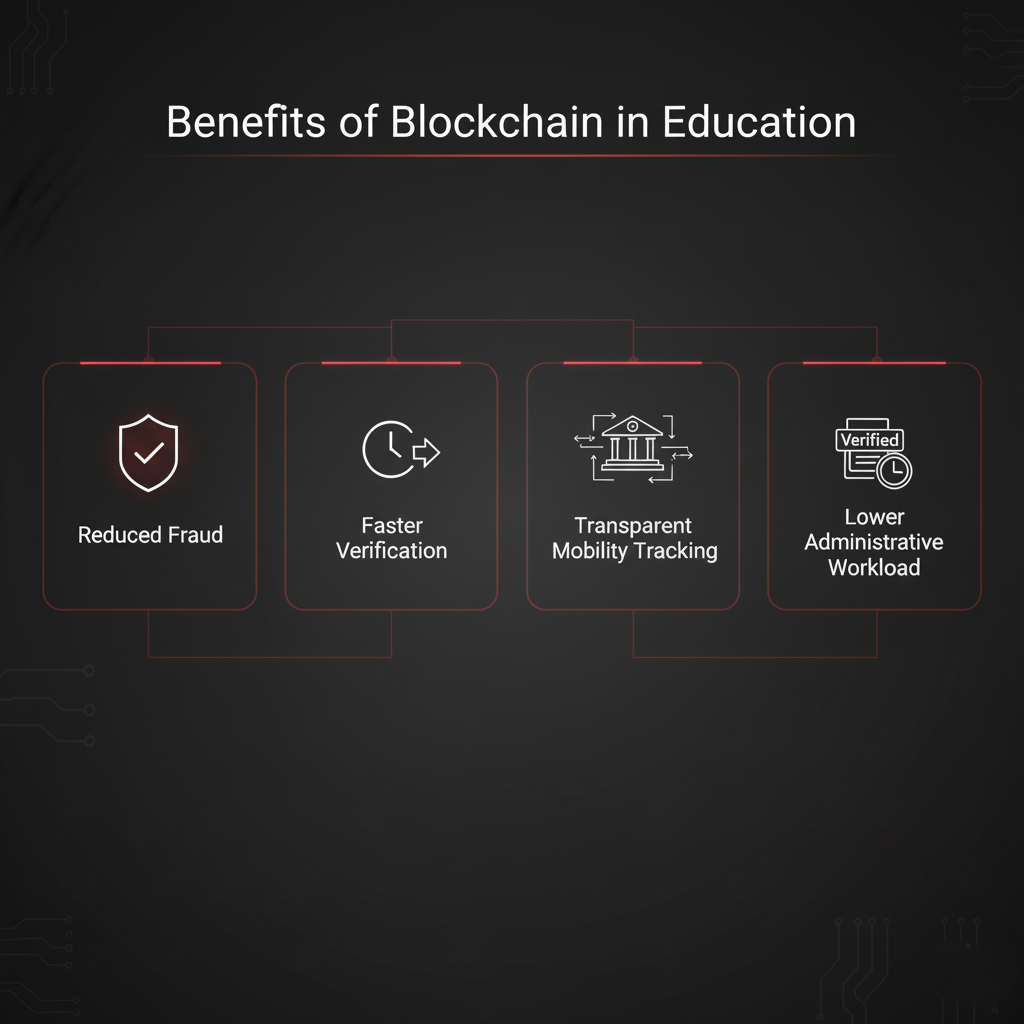
Adopting blockchain in education not only benefits students. Universities, governments, and regulators stand to gain significantly as well. Here are some of the key benefits:
Lower Fraud Rates and Improved Integrity
With immutable, tamper-proof academic records, the incidence of forged certificates or fake degrees can drop dramatically. Universities protect their reputation. Employers and regulatory bodies can trust credentials. The overall integrity of the education ecosystem improves.
Faster Clearance and Verification Processes
Gone are the days of waiting weeks or months for verification. Blockchain-enabled credential verification becomes instant. This reduces administrative burden on universities, speeds up hiring and admissions, and ensures timely decisions for students.
Better Tracking of Student Mobility and Data
For governments, a blockchain-based national student registry offers real-time, reliable data about student populations, movements, credentials attained, and educational trends. This data can inform policy, resource allocation, accreditation decisions, and national planning. It also helps manage mobility across states or regions.
Efficiency and Cost Savings
Maintaining paper-based or centralised record-keeping systems is costly and labour-intensive. Blockchain reduces the need for intermediaries, manual processing, and repeated verification requests. Over time, these savings can be substantial.
Inclusivity and Lifelong Learning Recognition
By supporting micro-credentials and non-traditional learning paths, blockchain helps institutions and governments recognise lifelong learners. This inclusivity broadens opportunities for workers upgrading their skills, for adult learners, for refugees or displaced populations whose formal records might be missing or disrupted.
In short, blockchain transforms education from a static, certificate-heavy model to a dynamic, transparent, inclusive ecosystem, with benefits for all stakeholders.
Getting Ready for Blockchain Adoption
Realising this vision in 2026 will not happen automatically. It will require deliberate planning, partnerships, and preparation. Here are steps that universities, governments, and EdTech providers should take to get ready:
Start with Pilot Projects
Before launching full-scale systems, institutions should run pilot projects: issue digital diplomas on blockchain for one graduating class, offer micro-credentials for certain courses, or deploy blockchain-based scholarship disbursement for a select program. Pilots help surface technical, regulatory, and adoption challenges before scaling.
Partner with Trusted EdTech Providers
Implementing blockchain properly requires technical know-how. Educational institutions should partner with reputable EdTech providers, blockchain developers, or international organisations experienced in credentialing systems. Trusted partners can help implement secure, compliant, and user-friendly solutions.
Train Administrative Teams and Staff
Adoption requires a cultural and operational shift. Administrators, registrars, and staff must be trained to use blockchain-based verification tools, manage digital wallets, respond to queries, and integrate with existing record-keeping systems. Without buy-in and capability at the admin level, even the best technical system can fail.
Engage Stakeholders: Students, Employers, Government
For blockchain credentials to have value, employers, other institutions, regulatory bodies, and even students themselves must recognise and trust them. Transparency about how the system works, data privacy, security, and governance are essential. Outreach, education, and stakeholder engagement should begin early.
Ensure Regulatory Compliance and Data Privacy
Especially for public sector institutions and national registries, blockchain adoption must align with data privacy laws, national policies, and the regulation of educational quality. Governance frameworks should be established: Who can write to the blockchain? Who can read? Under what conditions can records be revoked or updated (e.g., if a credential is rescinded)?
By 2026, institutions that prepare now are more likely to reap the full benefits of blockchain: robust trust, streamlined operations, and enhanced global mobility for their students.
Why 2026 Is a Critical Moment
Several factors are working in favour of a major wave of blockchain adoption in education by 2026:
- Growing global mobility & cross-border education: As more African students apply for scholarships, study abroad, or remote work, verified, portable credentials will become essential.
- Government focus on credential verification: Governments are increasingly aware of the damage done by fake certificates. Regulatory responses are emerging. Blockchain offers a scalable, systemic solution.
- Rise of micro-credentials and lifelong learning: The future of skills is not just degrees. Short courses, bootcamps, digital certifications, and lifelong learning are becoming more important. Blockchain is ideal to support this shift.
- Technological maturation: Blockchain platforms have grown more stable, accessible, and compatible with real-world applications. Educational use cases are more mature today than ever before.
- Institutional cost pressures and demand for efficiency: Universities and governments seek to reduce costs, improve efficiency, and digitise operations; blockchain can deliver on all three.
Challenges and Considerations
It is important to highlight that the adoption of blockchain in education also comes with real challenges. These must be faced honestly, so implementation is responsible and successful.
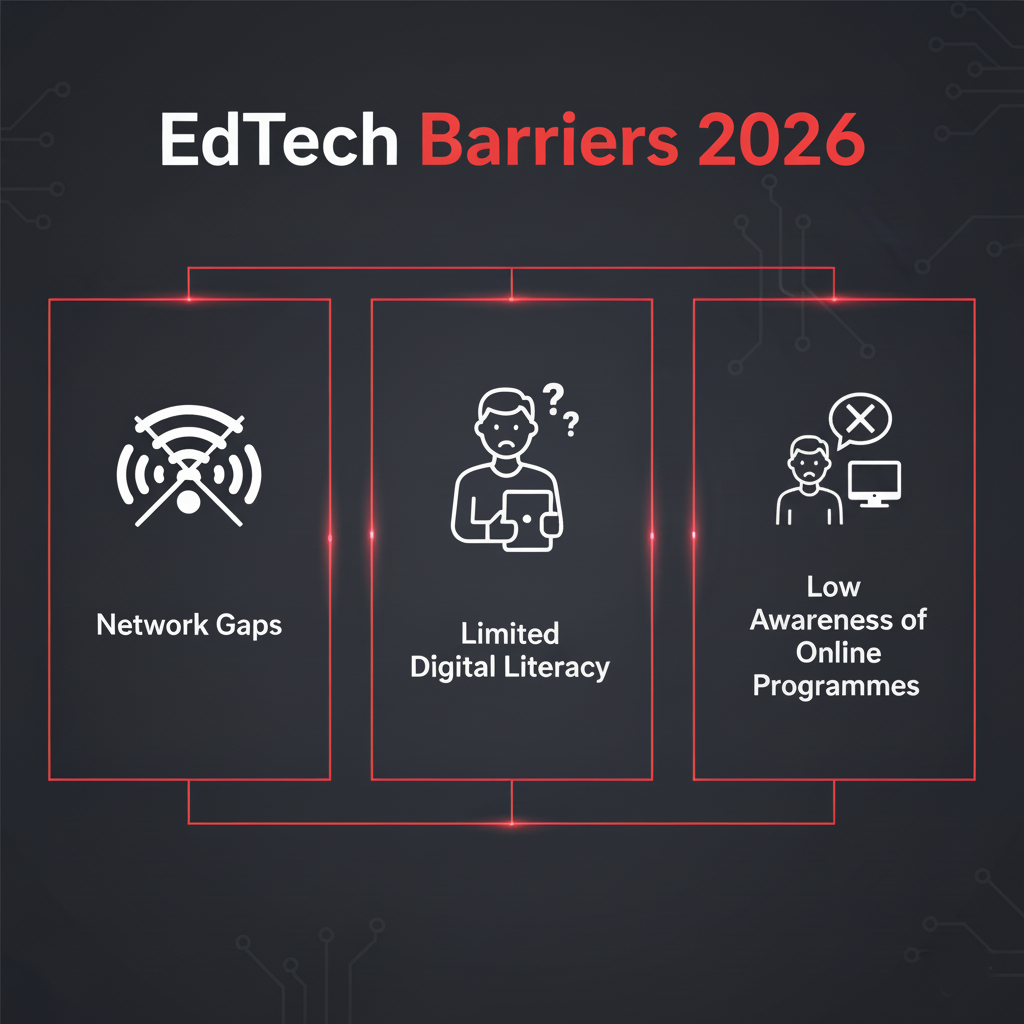
First, there is the challenge of infrastructure and access. Especially in parts of Africa, reliable internet access, digital literacy, and availability of required hardware may not yet be universal. Rolling out blockchain-based credentialing at scale requires digital readiness.
Second, standardisation is not yet universal. There are many blockchain platforms, different credential formats, and no single global standard. Without standardisation, credentials issued on one system may not be recognised elsewhere.
Third, data privacy and governance. While blockchain is transparent and immutable, not all educational data should be public. Institutions must carefully design systems that protect personal data, share only what is necessary, and comply with privacy laws. Governance around who can write to the ledger, who can revoke credentials, and how to handle errors or disputes is vital.
Fourth, adoption and cultural change. Administrators, employers, regulatory bodies, and students must be convinced of the value. Resistance to change, lack of trust in technology, or inertia can all slow adoption.
Finally, there are cost and capacity issues. Setting up a blockchain credentialing system requires investment: software development, server infrastructure, training, and maintenance. For many institutions, especially in low-income settings, this may be a barrier.
Nevertheless, the potential benefits, trust, security, efficiency, and mobility make it worth the effort.