
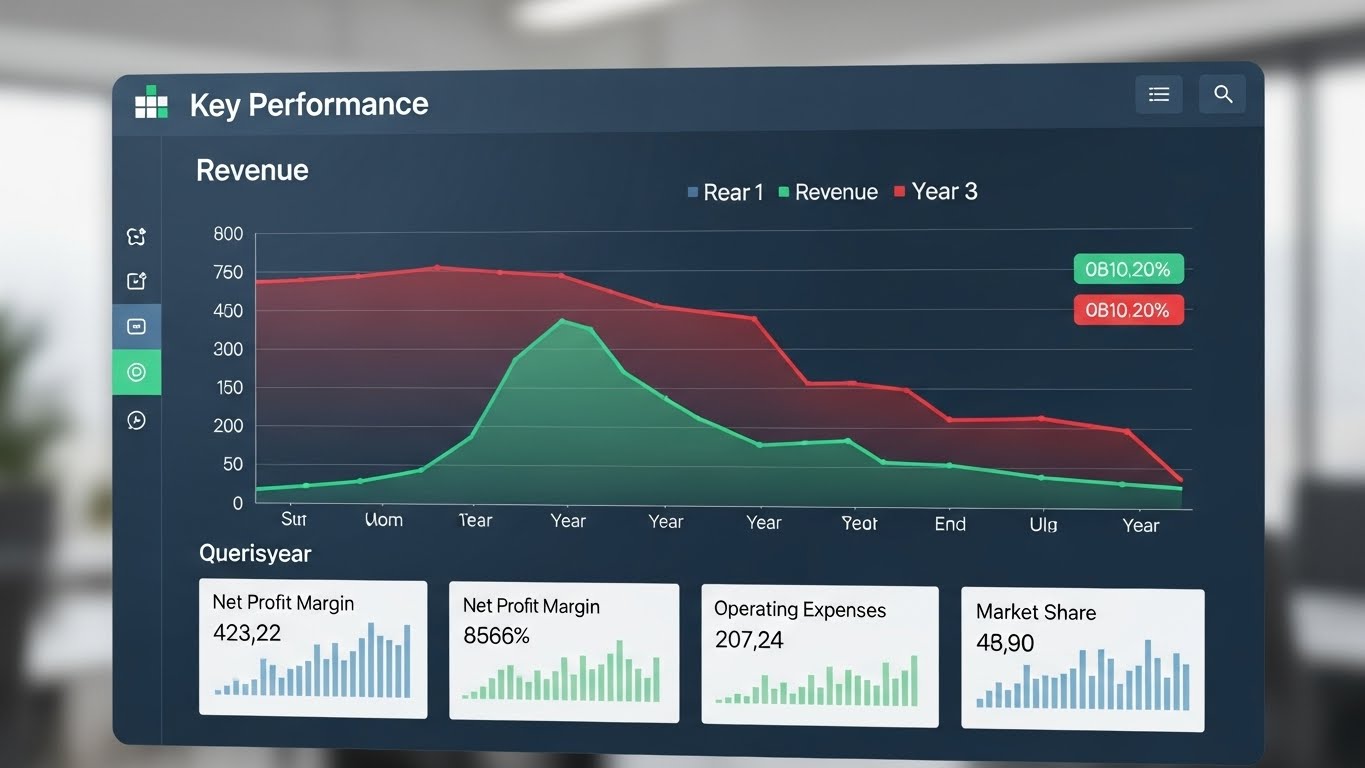
In the early days of launching an edtech venture or adopting educational software, there’s a moment that feels a bit magical. Users are signing up. Schools are piloting. Revenue is rising. All systems seem aligned for scale. Yet, 18 to 24 months in, something shifts. Adoption plateaus. Renewals slip. CAC (customer acquisition cost) creeps up. Teams scratch their heads. What looked like a growth engine has stalled.
This pattern isn’t imagined. Across education technology and school software markets, many education revenue models that start strong begin to falter after the two-year mark. Investors are pulling back, valuations are correcting, and companies are rethinking their monetisation playbooks. Global edtech investment dropped sharply after pandemic highs, returning to levels not seen since the mid-2010s, in part because many business models didn’t sustain growth once initial adoption slowed.
For educators, school owners, and administrators, this has real implications. You depend on predictable SaaS partners for learning management, communication, scheduling, assessment, and analytics. When those vendors struggle to scale their revenue models, your costs can rise, product development stalls, and long-term support becomes uncertain. The heart of the issue often isn’t product quality. It’s how revenue is generated and sustained.
Read more: The Business of Learning: How EdTech Companies Can Win Institutional Contracts
The Low-Fee, High-Volume Trap
Margin Compression and Growth Limits
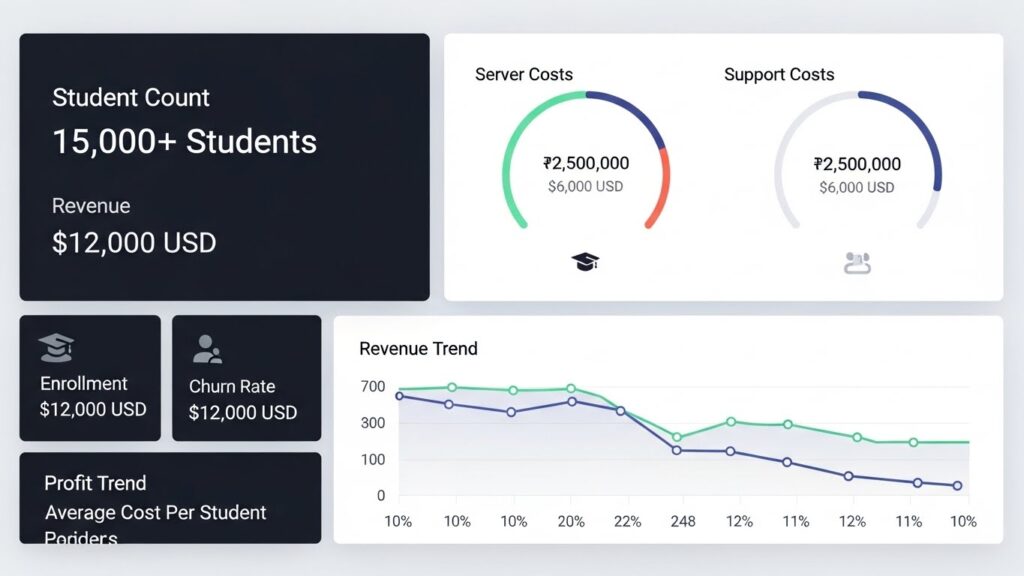
When education technology companies first go to market, one of the most seductive strategies is the low-fee, high-volume approach. Charge $5 or $10 a month per teacher. Offer a basic portal for a modest price. Aim for thousands of users and let volume do the work. On paper, this feels simple: affordability drives adoption; adoption drives revenue; revenue scales rapidly.
But this model almost always runs into the same constraint: margins die fast. Low price points mean you need massive scale to generate meaningful revenue. In consumer markets, that’s challenging enough. In education markets, it’s even tougher because buying cycles are slow, budgets are fixed, and purchases go through committees. Even if you achieve strong sign-ups, converting free or low-fee users into paying customers often stays stubbornly low.
What happens next? Customer acquisition costs balloon. You start spending more on marketing to keep growth moving. Without significant upsell or premium tiers, revenue essentially flatlines. And because your product was built for low-price expectations, you have little room to raise prices without triggering churn.
This model also exposes you to competitive pressure. Competitors can always undercut you by shaving a dollar off the price or offering a free tier, forcing you further down the pricing spiral. In practice, many low-fee edtech firms see revenue plateau or decline around year two as marketing expenses overwhelm income and churn rises.
For schools: Be cautious about tools that seem “cheap” but don’t offer clear pathways to deeper engagement, measurable outcomes, or strong support. Upfront affordability can hide backend instability in the business model.
The One-License, One-School Risk
Revenue Plateaus and Limited Upsell
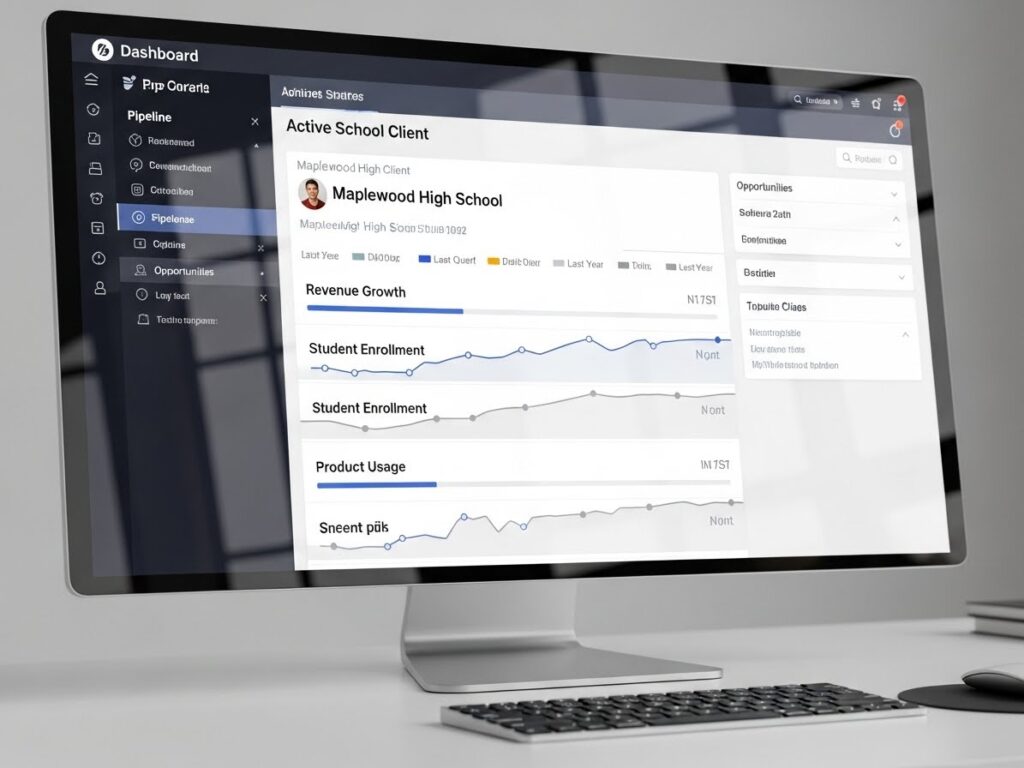
Another classic education software revenue model is the one-license, one-school sale: you sell a single LMS seat, assessment platform, or communication suite to a single institution for a one-time fee or a flat annual charge. At first, it’s elegant. Admins know what they’re buying, procurement is straightforward, and the sales cycle is short.
Trouble begins once that initial license runs out. With a one-time sale or flat fee that doesn’t scale with usage or value delivered, there’s little incentive for the vendor to innovate or deepen the relationship. Revenue plateaus. The company has to find new customers constantly just to tread water.
This structure also limits upsell motion. Unless the vendor artificially rebrands new features into new products, there’s no built-in progression path for revenue growth within the same school. Upgrades become optional purchases rather than integrated value drivers. Over time, this stagnation shows up in the company’s financials, slowing investment in product quality and support and ultimately undermining customer satisfaction and renewal rates.
For schools, the risk is clear: the vendor’s business model doesn’t reward your long-term success, because once they’ve sold you the license, their revenue doesn’t grow with you.
Read more: Payment Drop-Off in Online Admissions and How to Fix It
The Free Tool Dependency Dilemma
Control Loss and Data Risk
In the era of open-source, freemium, and virus-style growth, many edtech tools initially offer their core product for free. Free tools attract users rapidly. Teachers onboard quickly. Administrators can pilot without budget approval. But free isn’t free for the company, and after about two years, cracks begin to show.
First is the control loss problem. When revenue depends on converting free users to paid ones, the product roadmap and marketing strategy push relentlessly toward upselling. Features that serve a deeper educational impact can get deprioritised in favour of those that boost conversion metrics.
Second is data dependency risk. Free offerings often rely on large datasets to drive analytics, personalisation, and AI features. That sounds promising until companies begin monetising that data in ways institutions didn’t intend, creating privacy concerns and compliance headaches for schools, especially in regions with strict data protection laws.
Finally, reliance on free tools can mask the true value (and cost) of software. Institutions that start with free tools often struggle to transition to paid tiers when budgets clear, leading to stalling monetisation and unpredictable revenue for the vendor. Many companies discovering this end up pivoting their model, sometimes in ways that surprise or frustrate long-time users.
For schools: Treat free tools as pilots with clear exit criteria. Define success metrics and renewal budgets upfront, so you’re not caught flatfooted when a vendor hastily introduces pricing or data monetisation features.
Revenue Models That Survive
What Works Beyond the Two-Year Mark
Not all models implode after the 24-month mark. Some structures encourage predictable revenue growth, product value alignment, and long-term customer relationships. Here are a few that have shown resilience in the education technology space:
- Per Student Pricing
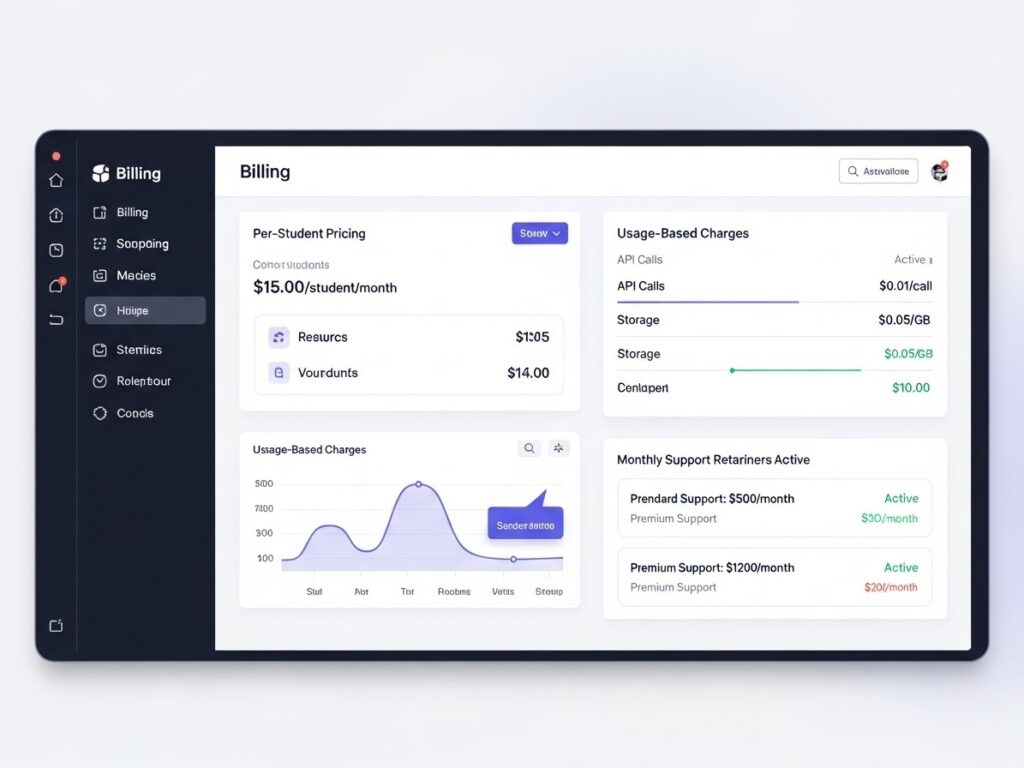
Pricing tied to the number of students using a platform, often on a recurring basis, aligns vendor revenue with your growth. As your enrolment increases, the vendor earns more; as it decreases, you pay less. This makes pricing transparent and fair. According to market analysis, per-student licensing remains a staple in education monetisation and supports predictable budgeting.
Per student models also incentivise vendors to deepen engagement and improve product stickiness, because growth driven by your outcomes directly impacts their bottom line.
- Usage-Based Billing
Usage-based billing charges institutions only for what they use. This model thrives when value correlates strongly with activity, for example, data analytics platforms that charge based on reports generated, or video conferencing seats that incur fees based on hours used. Educators adopt these systems without fear of paying for unused capacity, and vendors build predictable revenue based on actual consumption.
This model works particularly well for solutions where usage is a proxy for value delivered.
- Support Retainers
Some vendors pair their software licenses with ongoing support retainers, structured service engagements that guarantee priority service, custom integration, or professional development. These retainers create recurring revenue streams anchored in service value, not just software access. Schools benefit from dedicated support while vendors gain long-term revenue visibility.
These models work because they reinforce ongoing value delivery rather than a one-time transaction.
Read more: Strategies for Securing Grants to Fund Digital Campus Projects
Pricing Control for Long-Term Scale
How to Lock In Sustainability
Developing an enduring revenue model is partly about pricing structure and partly about pricing discipline. Here are strategic levers that help:
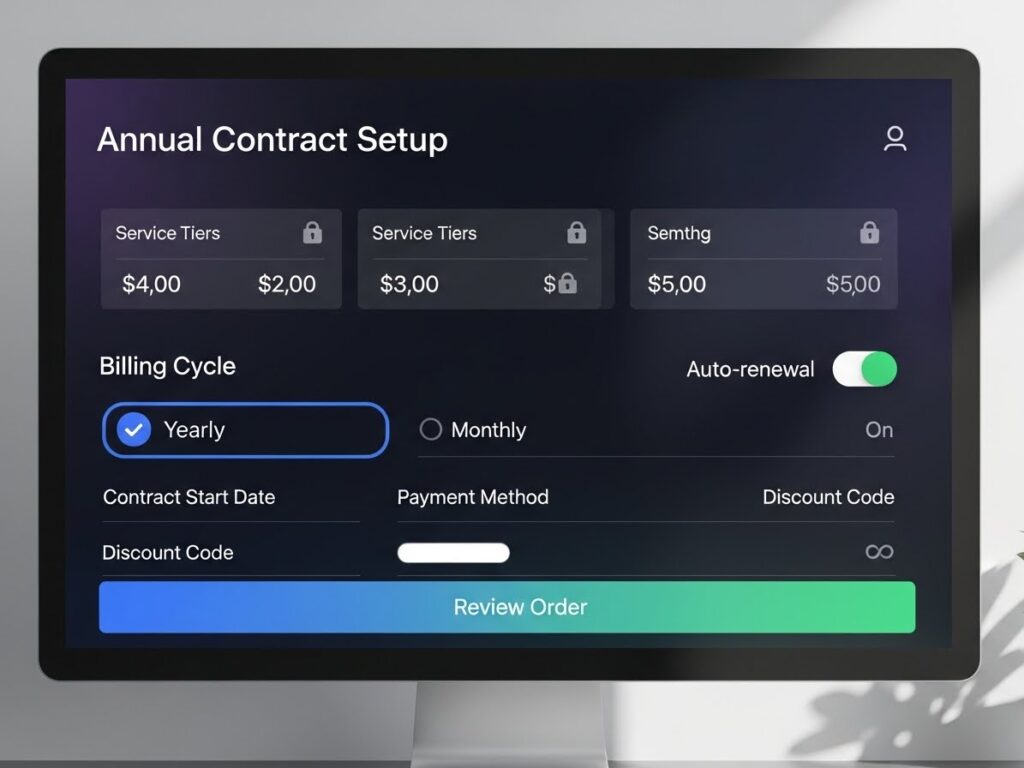
Annual Billing
Annual billing cycles support predictable cash flow and reduce churn compared to month-to-month arrangements. Many edtech companies using annual contracts show higher renewals because schools budget on fiscal cycles and can forecast expenses with confidence.
Annual commitments also give vendors breathing room to invest in product improvement rather than constantly chasing churn.
Locked Service Tiers
Clear, well-defined service tiers lock customers into levels of usage that match their needs while giving vendors a revenue ladder to climb. Schools start at a base tier that meets essential needs, and over time, they can graduate to higher tiers as their engagement deepens. Each tier isn’t just a price tag; it’s a bundled value package, more analytics, more integrations, more support.
This approach not only stabilises revenue but also clarifies the customer journey and strengthens long-term relationships.
Building Revenue Models That Endure
Many education revenue models falter after two years, not because of a lack of demand, but because they lack alignment between value delivered and value captured. On the other hand, models that scale with institutional growth, align payment with usage, and embed service value create durability.
Thinking about your own ecosystem? Where possible, prioritise vendors with transparent, scalable pricing and ask for long-term value roadmaps tied to education outcomes, not just user numbers. In doing so, you build not only better partnerships but a more resilient foundation for learning in your community.