
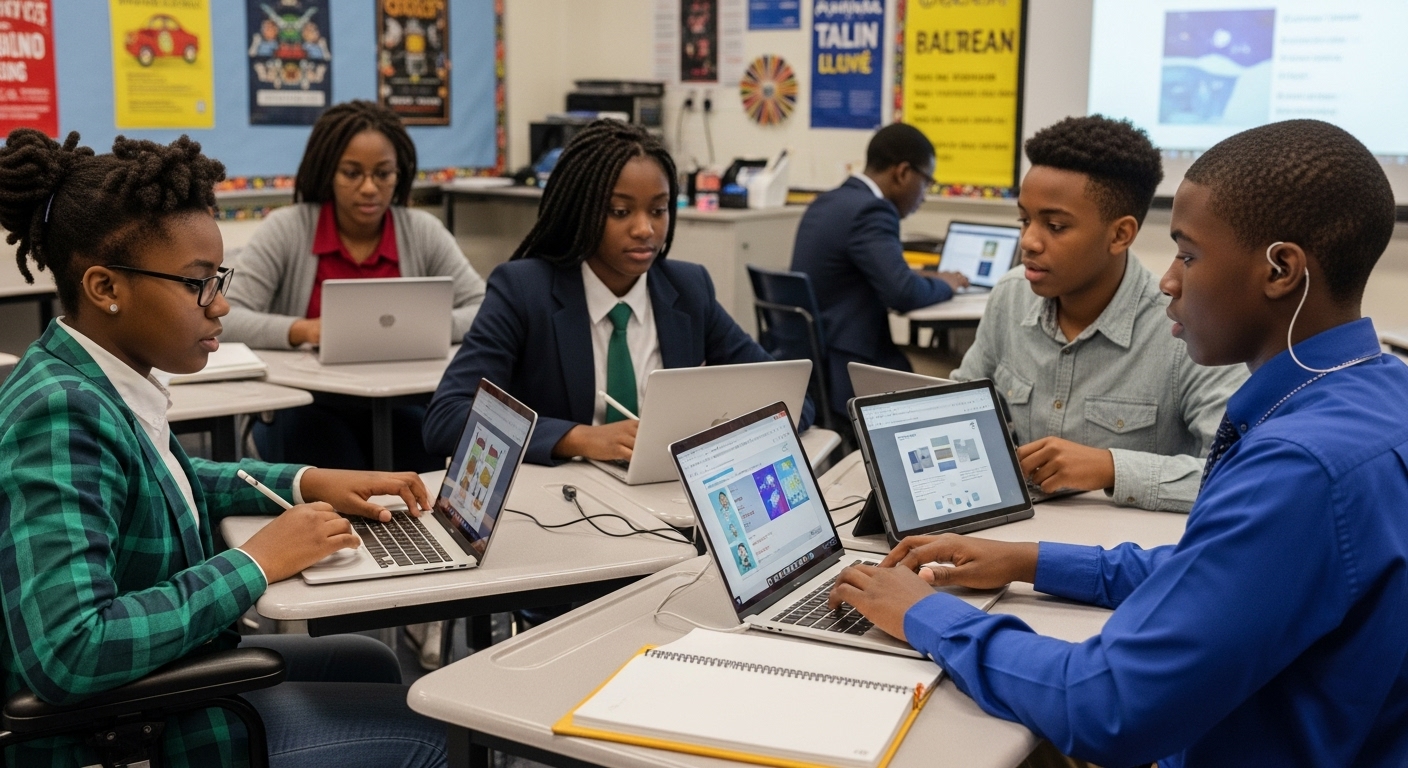
Technology is shaping how learning is delivered, assessed and experienced across schools, universities, training institutions and corporate learning environments. What, at one point, seemed like a response to a global pandemic has continued well beyond the COVID-19 pandemic. Today, virtual classrooms, learning management systems, and digital assessment tools are part of everyday academic life worldwide.
However, while technology has made digital learning possible, it has also exposed inequality. Learners who cannot see, hear, read fluently, navigate interfaces easily, or access stable internet connections often find themselves excluded. These barriers are rarely intentional, but their impact is real and measurable.
This is why inclusive edtech matters in today’s educational systems.
What Inclusive EdTech Means Today
Inclusive edtech is the intentional design and implementation of digital learning tools that are accessible, usable, engaging and support the widest range of learners, including those with disabilities, special educational needs (SEND), or from marginalised communities.
In essence, inclusive edtech goes beyond providing technology or digitising content; it recognises learner diversity as the norm. Learners differ in physical ability, cognitive processing, language proficiency, cultural context, and access to infrastructure. Inclusive edtech asks whether digital learning environments are usable, understandable, and meaningful for all learners, regardless of ability, language, location, or socio-economic background. It challenges the approach of designing for a narrow “average” user, which inevitably leaves many behind. When inclusion is overlooked, technology risks reinforcing the very inequities education is meant to address.
Accessibility as a Baseline, Not an Add-On
Accessibility within inclusive edtech is not limited to compliance checklists. It is a baseline expectation that digital platforms should be perceivable, operable, understandable, and robust for all users. This aligns with the principles outlined in the Web Content Accessibility Guidelines (WCAG) developed by the World Wide Web Consortium, which have become the global standard for digital accessibility across sectors, including education, as detailed by the W3C Web Accessibility Initiative.
Equity in Digital Learning Environments
Equity in inclusive digital education means ensuring learners have what they need to succeed, even when their needs differ. A platform that allows adjustable text size, alternative content formats, or asynchronous participation supports equity by removing unnecessary barriers. In practice, accessible learning technology often improves the experience for all users, not just those with identified disabilities.
Barriers Faced by Diverse Learners Online

Despite advances in education technology, many learners continue to face structural barriers that limit participation and achievement in digital environments.
Disabilities and Assistive Needs
Over 1.3 billion people across the globe live with some form of disability, according to the World Health Organisation. Many rely on assistive technologies such as screen readers, voice input, or alternative navigation devices. Therefore, when education platforms lack keyboard navigation, semantic structure, and accessible media, such learners are effectively excluded.
The United Nations Department of Economic and Social Affairs has repeatedly highlighted that inaccessible digital systems are a major contributor to educational exclusion for persons with disabilities, particularly in low- and middle-income countries.
Language and Literacy Challenges
Digital learning platforms often assume high levels of literacy and fluency in a dominant language, typically English. For multilingual learners, international students, or learners with reading difficulties such as dyslexia, dense text-heavy interfaces can significantly hinder comprehension. Inclusive digital education addresses this by offering clear language, visual supports, and alternative formats that reduce cognitive load.
Connectivity and Device Access
Access to reliable internet and appropriate devices remains uneven globally. The International Telecommunication Union reports persistent digital divides between and within countries, particularly affecting rural communities and low-income households. While this article avoids overgeneralisation, it is well established that platforms requiring constant high-bandwidth connectivity disproportionately exclude learners with limited access. Accessible learning technology mitigates this through mobile-friendly design, offline access, and low-bandwidth options.
Cultural and Pedagogical Differences
Learning is deeply influenced by cultural context. Some learners come from educational systems that emphasise collective learning or instructor-led guidance, while others are accustomed to self-directed study. Inclusive edtech respects these differences by offering multiple ways to engage, participate, and demonstrate understanding, rather than enforcing a single pedagogical model.
Features of Accessible Learning Technology
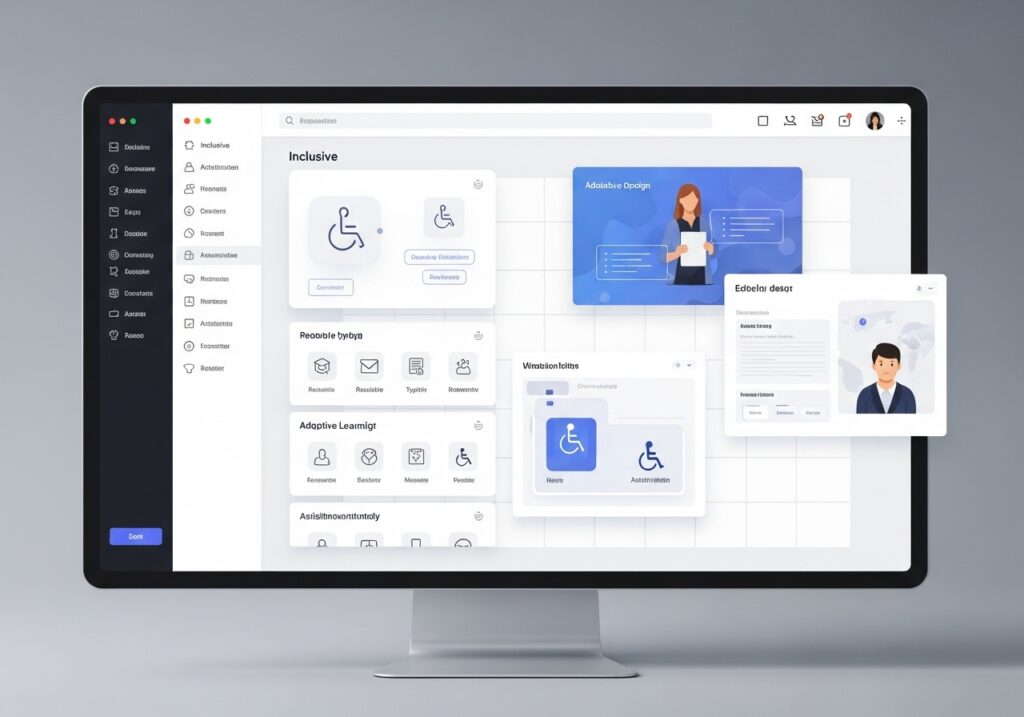
Accessible learning technology is defined by practical features that reduce friction and expand participation across learner groups.
Screen Reader Compatibility and Semantic Structure
Screen reader compatibility depends on well-structured content, consistent headings, descriptive links, and properly labelled form elements. When platforms follow accessibility standards, assistive technologies can accurately interpret and present information, enabling learners to navigate independently.
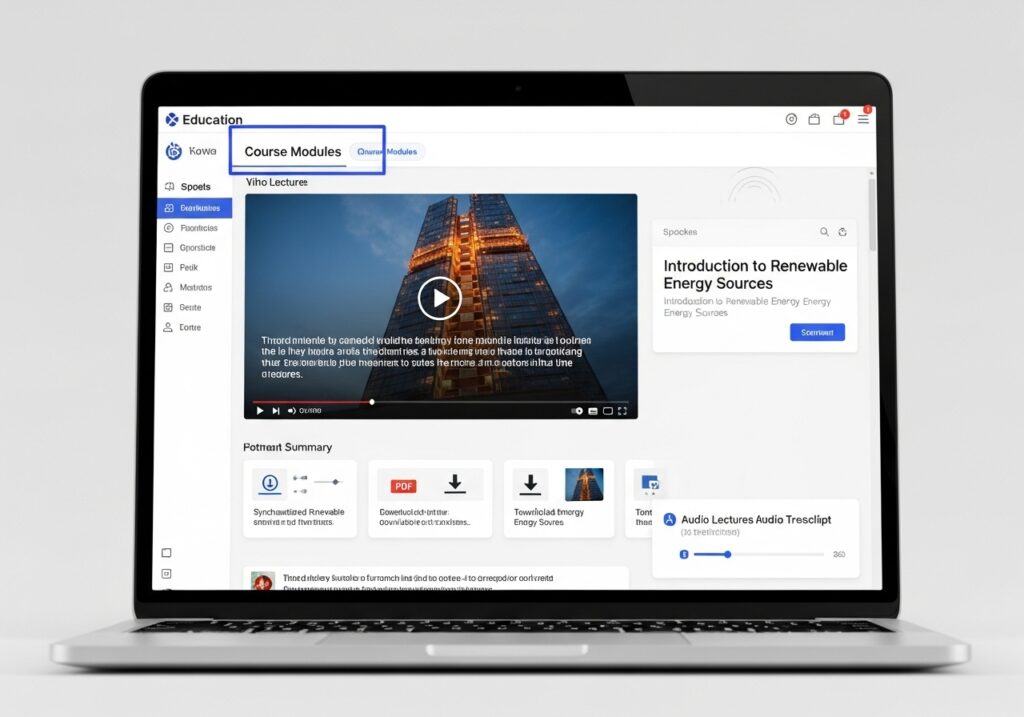
Captions, Transcripts, and Audio Alternatives
Captions and transcripts are essential for learners who are deaf or hard of hearing, but they also support non-native speakers and learners studying in noisy or shared environments. Research has shown that captions improve comprehension and retention for a broad range of learners, reinforcing their value beyond compliance.
Keyboard Navigation and Alternative Inputs
Many learners cannot use a mouse due to motor impairments or temporary injuries. Keyboard-accessible navigation ensures that all interactive elements are usable through alternative input methods. This is a core requirement of education technology accessibility and a marker of thoughtful design.
Flexible and Multimodal Content Formats
Inclusive digital education prioritises flexibility. Providing content in text, audio, video, and interactive formats allows learners to choose what best supports their understanding. Adjustable playback speeds, contrast settings, and font options further empower learners to personalise their experience without stigma.
Global Standards for Inclusive Digital Education

Global frameworks provide institutions with clear guidance on implementing inclusive edtech responsibly and consistently.
Web Content Accessibility Guidelines (WCAG)
The WCAG standards, maintained by the W3C Web Accessibility Initiative, outline technical criteria for making digital content accessible. Many education systems and governments reference WCAG in policy and procurement requirements, making them foundational for institutional compliance.
Universal Design for Learning (UDL)
Universal Design for Learning, developed by CAST, focuses on pedagogical flexibility rather than technical compliance alone. UDL encourages multiple means of engagement, representation, and expression, enabling learners to achieve the same outcomes through different pathways. CAST’s work on Universal Design for Learning has been widely adopted across K–12 and higher education systems.
Policy and Regional Expectations
Accessibility requirements vary by region, but the trend is clear. Governments increasingly mandate accessible digital education, particularly in publicly funded institutions. Policy-driven adoption reinforces the role of inclusive edtech as a strategic and legal priority rather than a discretionary initiative.
How Institutions Can Build Inclusive EdTech Systems
Building inclusive edtech systems requires coordinated action across technology, pedagogy, and institutional culture.
Conduct Regular Accessibility Audits
Accessibility audits help institutions identify gaps in platforms, content, and user experience. These audits should combine automated testing with user feedback, particularly from learners who rely on assistive technologies.
Evaluate Vendors Through an Accessibility Lens
When selecting digital learning platforms, institutions should assess education technology accessibility as a core criterion. Questions around WCAG compliance, roadmap commitments, and support for inclusive digital education should be standard during procurement.
Invest in Faculty and Staff Training
Faculty play a critical role in inclusion. Training educators to create accessible documents, caption videos, and design flexible assessments ensures that inclusive edtech principles extend beyond the platform into everyday teaching practice.
Create Feedback Loops With Learners
Inclusive digital education is an ongoing process. Regular learner feedback helps institutions adapt to changing needs and demonstrates a commitment to access and equity in practice, not just policy.
Institutions seeking deeper insights into digital learning trends and inclusive practices can explore resources on Edutech Global’s blog, which regularly examines how technology intersects with policy, pedagogy, and access.