

Public-private partnership in education is a strategic approach that governments around the world increasingly consider in the face of limited budgets, expanding demand for skills, and rising expectations for learning outcomes. At its heart, a PPP is a long-term contractual relationship in which government entities and private organisations share risks, responsibilities, and rewards to deliver public education services or infrastructure. The Organisation for Economic Co-operation and Development describes PPPs as long-term contracts between government and private partners to deliver and fund public services using capital assets, sharing associated risks in ways traditional procurement may not.
Read more: How Partner Institutions Can Expand Global Enrolment Through EdTech Collaborations
Nations with growing youth populations, particularly in developing regions, face pressure to expand access, integrate technology meaningfully, and modernise facilities. With evidence from global research and data, this article explores how PPPs function in education, what models are most common, the potential gains and pitfalls, and how to frame sustainable partnerships for the long term.
What is Public-Private Partnership in Education?
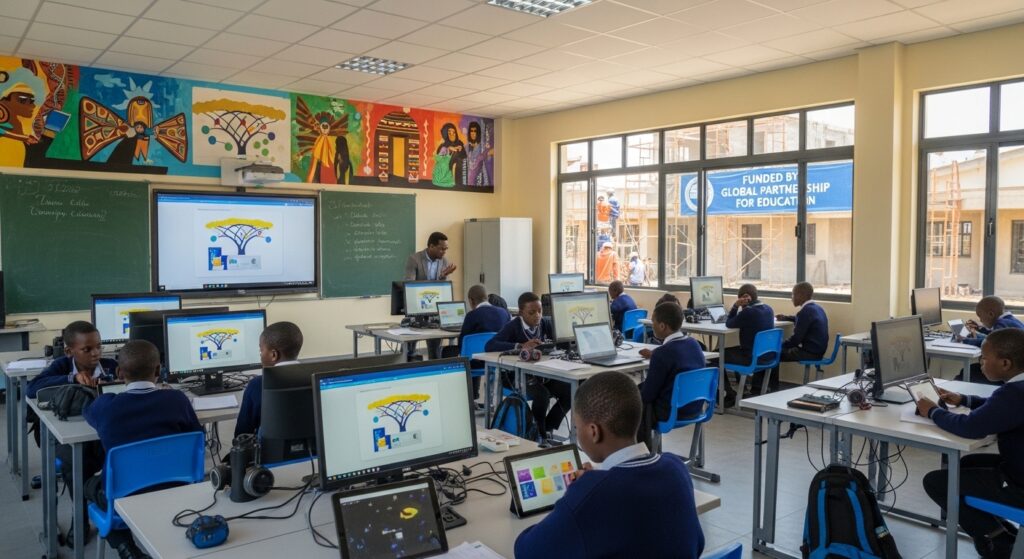
In education, a public-private partnership refers to an arrangement where governmental bodies partner with private entities, such as businesses, non-governmental organisations, philanthropies, or education technology companies, to finance, build, equip, manage, or innovate education services and infrastructure.
These partnerships can range from building school facilities with private capital to collaborating on digital learning platforms and skill development initiatives.
Governments adopt these models for several reasons:
- Resource constraints: Many education systems struggle with budget limits. PPPs can mobilise private capital to build infrastructure or scale services without requiring upfront public expenditure.
- Expertise and innovation: Private entities often bring specialised skills, especially in technology, curriculum design, and service delivery, that can complement public systems.
- Efficiency and accountability: Well-structured contracts include performance metrics that incentivise quality outcomes rather than output alone.
Despite the promise, evidence on educational PPPs shows mixed impacts: positive improvements in access and infrastructure in some cases, and concerns about equity and long-term sustainability in others. Rigorous evaluation and context-specific design are essential.
Across OECD countries, public funding still dominates primary and secondary education. At tertiary levels, private investment and household contributions vary widely; private funding plays a more significant role in nations like Belgium, Poland, and France, where private financing covers over 70% of higher education costs.
Common PPP Models in Education
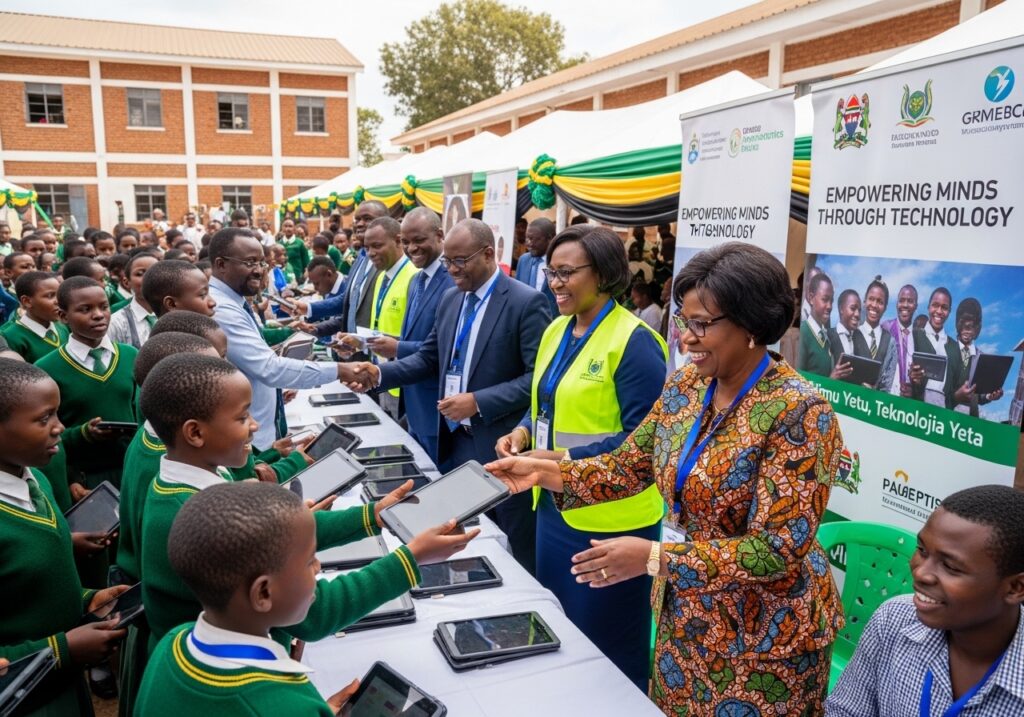
Public-private partnerships in education are not one-size-fits-all. They span a continuum of collaboration types depending on policy goals, market conditions, and institutional capacity.
1. Infrastructure Development
This model focuses on building and maintaining physical education infrastructure, such as schools and campuses. Private partners may finance, construct, and even maintain facilities over long contracts (20–30 years), with the government making periodic payments upon delivery and performance. These arrangements help governments expand capacity without upfront capital outlays.
2. Digital Platform Partnerships
With the rapid rise of education technology, governments increasingly collaborate with EdTech companies for digital learning platforms, student information systems, and remote teaching tools. These partnerships often include shared investment in technology development and rollout, training for educators, and ongoing technical support. Such efforts can accelerate digital adoption and improve learning engagement.
3. Curriculum Innovation
PPP arrangements can fund the co-development of new curricula, especially for technical and vocational education. Private industry guides curriculum design to ensure relevance to labour market needs, and may also support teacher training and assessment frameworks.
4. Skill Development Collaborations
Some governments partner with private sector firms to deliver training and certification in job-oriented skills. This model is particularly prevalent in sectors where the private partner’s expertise directly aligns with skills demand, such as ICT, healthcare, and advanced manufacturing.
Read more: How Global Universities Run Pan-African Online Programs
Each model requires careful governance and alignment of incentives to ensure that public service goals, equity, quality, and inclusion are not overshadowed by commercial priorities.
Benefits of Public-Private Collaboration

Faster Digital Rollout
Partnerships with EdTech companies can dramatically shorten the time it takes to deploy digital platforms and tools at scale. Rather than governments developing technology in silos, collaboration with private innovators harnesses existing products and expertise to reach classrooms faster.
Shared Investment Risk
When private partners contribute capital or assume operational risk, governments can avoid overleveraging public budgets. This shared risk model can make ambitious infrastructure projects feasible without jeopardising core services.
Innovation Acceleration
Private sector participation can introduce new pedagogical approaches, adaptive learning technologies, and data-driven insights into education systems. When combined with policy oversight and accountability frameworks, these innovations can boost learning outcomes.
Infrastructure Modernisation
Large PPP infrastructure projects often include not just building facilities but ensuring long-term maintenance and performance standards. This can help governments deliver modern, safe, and accessible learning environments for students.
Risks and Governance Challenges
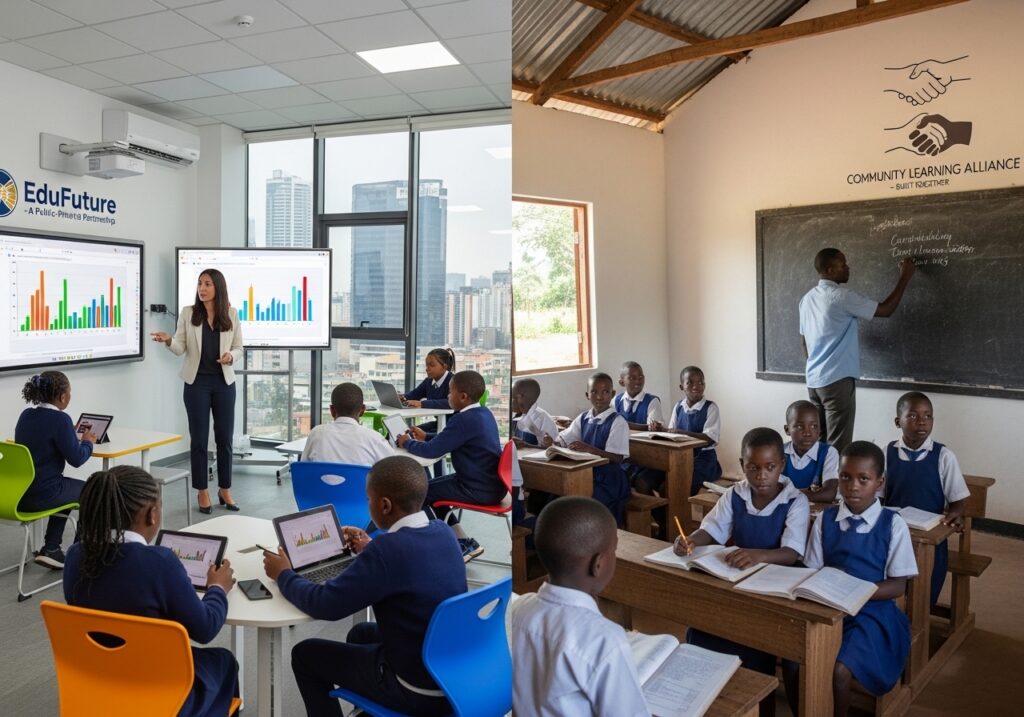
Even with clear advantages, PPPs in education come with risks and complex governance requirements.
Accountability Concerns
Education is inherently a public good. Ensuring that private partners uphold accountability for outcomes like equitable access, learning quality, and student well-being demands robust governance frameworks. Without clear accountability structures, there is a risk that private interests outweigh public objectives.
Vendor Lock-In
Long-term contracts with technology providers or education management organisations can create dependence on a single vendor’s systems or services. Over time, this may reduce flexibility, inflate costs, and complicate transitions to new models.
Data Security
Digital partnerships involve the collection and processing of student and educator data. Without stringent data protection policies and oversight, sensitive information can be vulnerable to misuse.
Policy Misalignment
Public education goals often prioritise equity and inclusion. Private partners may focus on efficiency and profitability. Aligning these motivations requires careful contract design and shared understanding of public value outcomes.
Global reviews note that poorly structured PPPs can exacerbate educational inequities, particularly when private providers disproportionately serve wealthier or urban populations.
Global Examples of PPP in Education
Real-world cases show how different PPP models function in diverse contexts.
Punjab Education Foundation (Pakistan)
The Punjab Education Foundation is a noteworthy example of a government working with private schools to improve access for underserved students. Established to expand low-cost private education through subsidies and performance-based contracts, PEF illustrates how PPPs can mobilise private capacity for public objectives.
Voucher Programs in OECD Countries
In some OECD nations, governments support private school attendance through voucher systems that allocate public funds to families, who then choose schools. This approach blends public financing with private provision, though it requires strong regulatory frameworks to ensure quality and access.
Asia and the Pacific
In Asia, PPPs have been explored as mechanisms to strengthen outcomes in school education, with particular focus on contracting private partners for performance outcomes and classroom innovations. These strategic engagements aim to fill gaps in teacher training and infrastructure.
Comparative data on education financing from sources like Education at a Glance provide context on how public and private resources interact globally, shedding light on where PPPs might add value relative to traditional funding models.
Strategic Framework for Sustainable Partnerships
Sustainable PPPs in education require thoughtful planning, transparent governance, and ongoing monitoring.
Transparent Contracts
Clear contracts define roles, risk sharing, performance metrics, and dispute resolution mechanisms. Transparency from the outset fosters trust and protects public interests.
KPIs and Monitoring
Partnerships should include key performance indicators tied to educational outcomes such as access, student achievement, and equity measures. Rigorous monitoring ensures that partnerships deliver intended results.
Governance Oversight
An independent oversight body or governance committee can help arbitrate between partners and ensure that public objectives remain central to decision-making throughout the contract period.
Long-Term Alignment
Successful PPPs balance short-term operational goals with long-term education policy objectives. This requires periodic review and flexibility to adapt to changing needs.