

Student records are among the most sensitive datasets a university holds: names, identification numbers, exam results, medical notes, financial details and sometimes passport or national ID scans. In private universities, where resources and staffing models vary widely, these records can be scattered across learning platforms, admissions CRMs, messaging apps and shared drives. That spreading of data is the single best predictor of risk: the more places data lives, the more ways it can leak.
The causes are not always dramatic. Many breaches start with small operational shortcuts: a shared login used by several staff, an unprotected folder holding scanned ID cards, or a third-party form tool with weak hosting controls. When those everyday practices line up with an opportunistic attacker or a misconfigured server, the result is a breach that destroys trust and creates long-term costs for students and the institution.
One Login Shared Across Teams: accountability vanishes

Shared accounts are deceptively convenient. A single “admissions@” or “registrar_admin” credential handed to multiple people avoids onboarding emails, avoids provisioning delays and keeps a team moving. But convenience costs traceability. When an account is used by several people, there is no reliable activity trail tying actions to an individual. That makes internal misuse invisible, slows forensic investigation after an incident and lets ex-staff continue accessing data after they leave.
Attackers exploit shared credentials in two ways. First, credential stuffing or password reuse attacks use leaked credentials from other breaches to log in to institutional systems. Second, an attacker who compromises a single shared password gains access across teams and systems that use the same account. Defending against both requires moving away from shared secrets to individual, auditable identities and multi-factor protection. Cloud and security providers explain how credential stuffing works and why unique accounts matter.
Unencrypted student documents: visible forever
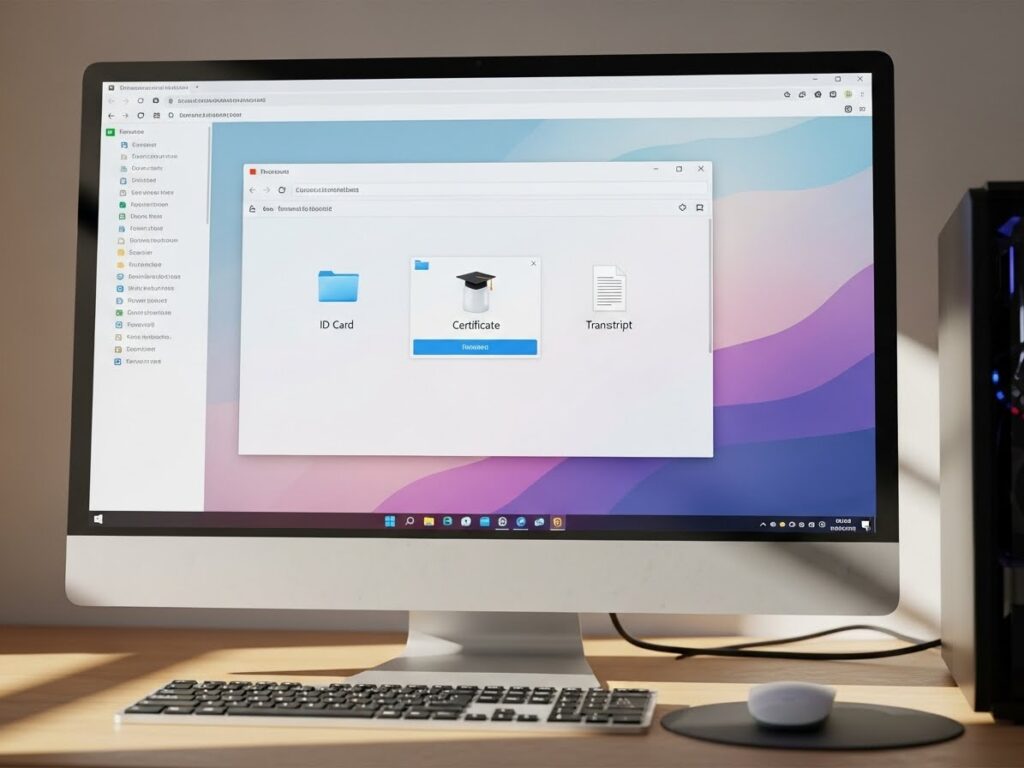
Universities still receive scanned ID cards, certificates and transcripts via email and leave them in cloud folders. When those files are stored unencrypted, anyone who gains access to the drive or the backup can read and copy them. Downloads create permanent traces. Shared links without expiry are another common problem: a link intended for a single reviewer becomes a long-lived door when link expiry isn’t enforced.
Unencrypted documents also increase damage when other controls fail. Modern attackers frequently exploit a single weak server or a misconfigured storage bucket, then harvest whole directories of files. The lesson is simple: treat student records as confidential data at rest, subject to encryption, access controls and link expiry.
Third-party tool risks: the supply chain is porous

Private universities often rely on third-party tools for speed and cost savings, WhatsApp groups for campus communications, free CRMs for short-term recruiting campaigns, or small application portals hosted on inexpensive cloud accounts. Each vendor, plugin or app is a node in the institution’s attack surface. If a vendor stores chat histories externally, keeps backups on an insecure server, or has weak authentication for its support portal, student records can be exposed even if the university’s own systems were secure.
Supply-chain incidents show how this plays out: an exploited marketing or helpdesk tool can expose records across its client base. Institutions that do not inventory vendor access or require minimum security standards give attackers extra paths into sensitive data. The risk multiplies when institutions do not require encryption, logging or contractual limits on data retention from their suppliers.
Legal and brand damage after a breach: cost and trust fall fast
A student data breach is more than an IT problem. The financial impact can be high; average recovery costs reported for higher education breaches are in the millions, and regulatory investigations or litigation can multiply that burden. Beyond monetary cost, a breach erodes student and parent trust, depresses future applications and can prompt partners to pause collaboration. In some jurisdictions, a public disclosure triggers regulatory fines and mandatory identity protection for victims, further amplifying the harm.
Recent sector reporting shows an upward trend in ransomware and an elevated hit rate for higher education organisations. For example, studies and industry reports document steep increases in ransomware targeting schools and large numbers of higher education institutions reporting incidents in the last 12–24 months. That means the reputational and regulatory stakes are real, not hypothetical.
Basic data protection framework for schools: practical, achievable steps
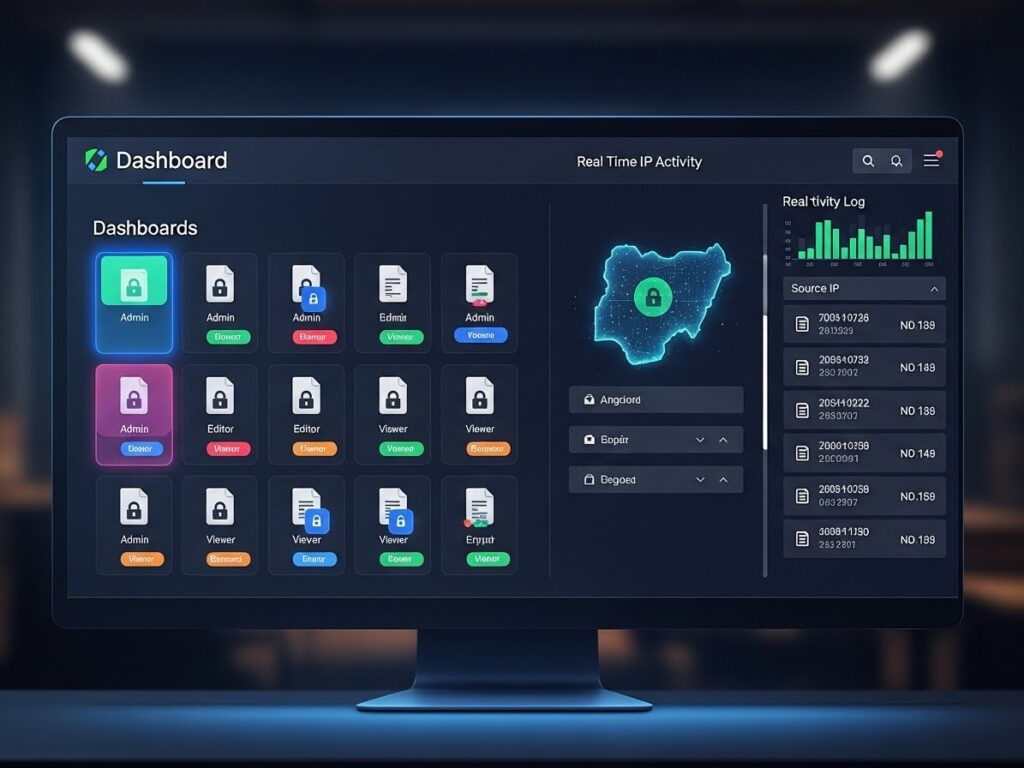
Turning security from reactive to preventive does not require impossible budgets. A basic framework of people, process and technology closes the most common exposure paths listed above. The following controls are cornerstone measures that every private university should implement and test.
- Role-based access control to limit who can see student records and what they can do with them. Assign permissions at the job-role level, not to individual accounts ad hoc.
- Encrypted uploads and encrypted storage for documents, with key-management policies that prevent plaintext access. Enforce encryption for backups as well as live storage.
- Individual accounts with IP tracking and session logging so every login can be investigated; retain logs for a period that supports forensic timelines. Good logging reduces investigation time and helps identify lateral movement.
- Two-factor authentication on all admin and faculty accounts, and, where possible, for student portals. 2FA greatly reduces the value of stolen credentials.
- Routine security audits, vendor risk assessments and an incident response plan that includes communications, legal review and remediation steps. Formal frameworks such as ISO/IEC 27001 offer a repeatable way to build and document these controls.
Each item is achievable in steps. Start by inventorying high-value data and the accounts that access it. Then apply role-based rules to the smallest set of people required to do a job, enable 2FA, and require vendors to meet minimum security terms, including encryption, logging and breach notification timings.
Practical checklist for immediate action
- Audit who has access to student PII (Personally Identifiable Information) and revoke any shared accounts.
- Find unencrypted folders of student documents and apply encryption plus link expiry.
- Require all vendors to sign a simple security addendum that covers encryption, access logs and retention.
- Enable 2FA for admin and faculty accounts and require password managers to reduce reuse.
- Schedule a tabletop incident response exercise and a quarterly security scan.
These items are operational and should be prioritised by risk and feasibility. CISA and ISO provide detailed guidance that institutions can map into policies and controls.