

In 2025, edtech partnerships for universities were no longer optional; they became essential. African universities, long challenged by resource constraints and fragmented infrastructure, increasingly turned to global EdTech providers to drive their digital transformation. These partnerships offered a way to modernise, scale, and reimagine higher education on the continent.
There was a clear urgency: students expected more flexibility, governments pressed for better quality and access, and institutions faced rising competition from online and hybrid education models. Universities needed more than just one-off digital tools; they required reliable digital transformation partners that could support not only technology deployment but also strategic growth.
At the heart of this shift was the move toward hybrid and fully online program models. As more African learners sought flexible ways to earn credentials, sometimes while working, universities realised that to compete, they had to adopt scalable, tech-enabled delivery systems. Global EdTech providers could provide not just the platform, but the experience, expertise, and operational backbone needed for that transition.
Read More: Strategic Partnerships in EdTech: How to Collaborate with Governments, NGOs, and Schools
What Universities Sought in EdTech Partners in 2025
By 2025, African universities had become quite sophisticated in what they expected from partnerships. They weren’t simply buying software; they were looking for full-spectrum collaboration. Key priorities included:
- Scalable technology. Universities needed systems that could scale with growing enrolment, reach remote learners, and support large numbers of simultaneous users. This meant cloud-based platforms, robust Learning Management Systems (LMS), and infrastructure that could handle spikes without collapsing.
- Enrolment support. Since many institutions were launching online programs for the first time, they sought partners who could help them attract students, run marketing campaigns, and handle admissions pipelines. EdTech providers that offered enrolment services or had marketing arms became especially valuable.
- Program design assistance. Many universities lacked the internal capacity to convert curricula into online formats or to design degree programs optimised for hybrid delivery. They looked for EdTech partners who could consult on instructional design, assessment strategies, and course structure.
- Student lifecycle management. Beyond enrolment, universities wanted help managing the entire student lifecycle: from onboarding to engagement, retention, and graduation. Tools for support, analytics, advising, and alumni engagement mattered more than ever.
Real-world examples supported these trends. At major summits in 2025, university leaders spoke frequently about the need to recentre student development and build systems that drive success.
Top Areas African Universities Digitised Through EdTech Providers in 2025

When African universities partnered with global EdTech providers in 2025, they focused on several key areas of digitisation. Here are the major transformation zones, and the real benefits institutions saw:
- Online program development. Many universities launched entirely new online degree programs, certificate courses, and micro-credentials. These offerings allowed them to reach working professionals or students in remote regions. By outsourcing course development and delivery, institutions saved time and cost and accessed new markets.
- LMS implementation. Learning Management Systems became foundational. EdTech providers helped universities deploy scalable, cloud-based LMSs that offered course hosting, assessment, and analytics. These platforms made it easier to track student progress, provide feedback, and scale repeatable processes.
- Virtual classrooms. To replicate the feel of live classrooms, universities adopted virtual classrooms, video conferencing tools, and synchronous learning environments. This enabled real-time engagement, group work, and a more interactive experience, even for students thousands of kilometres away.
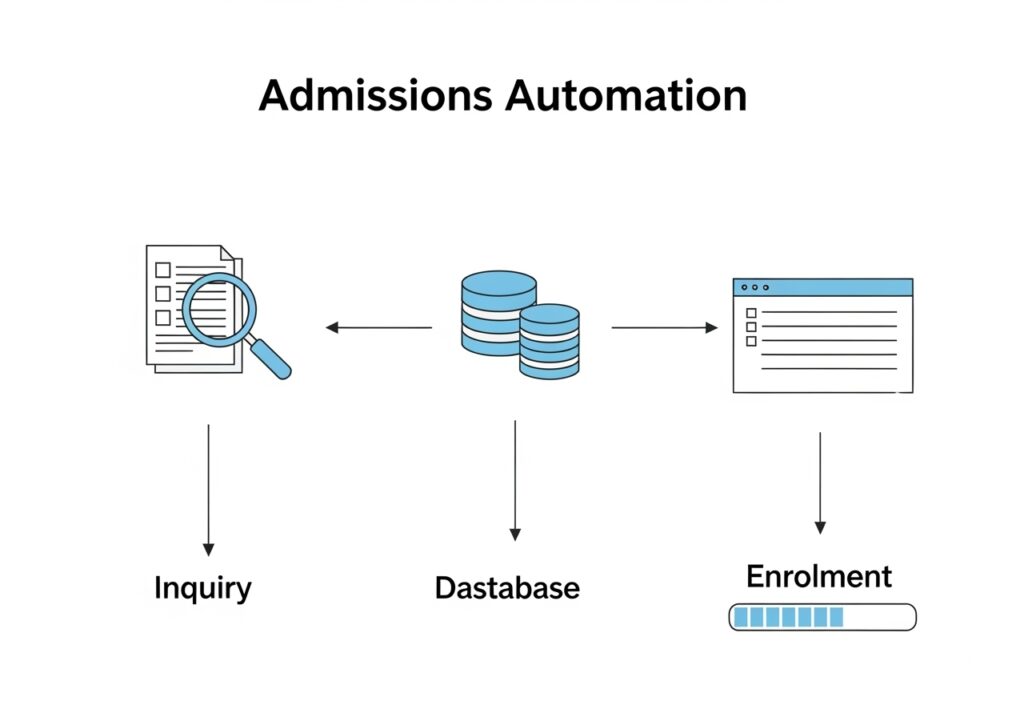
- Admission automation. Through EdTech partnerships, many universities automated admission workflows. Rather than handling applications manually, they used digital forms, automated decision-making tools, and integrated systems. This reduced processing time, lowered human error, and made the admission process more transparent.
- Digital student support systems. Beyond instruction, universities invested in digital tools for advising, coaching, mentoring, and student services. Analytics dashboards tracked engagement, predicted attrition risk, and triggered interventions. These support systems boosted student satisfaction and retention.
Challenges Universities Faced Before Partnering with EdTech Providers

Before these transformative partnerships, many African universities struggled with deep-rooted challenges. These obstacles made growth difficult and highlighted why EdTech collaboration was so appealing.
One major issue was outdated systems.
Many institutions were still relying on legacy software, paper-based processes, or fragmented tools that didn’t talk to each other. This disjointed infrastructure made it hard to scale or innovate.
Low adoption was another problem.
Even when universities acquired digital platforms, faculty and students sometimes resisted using them. Trainers lacked capacity, support structures were weak, and there was little change management in place.
Administrative burden was also heavy.
Manual student processes, from admissions to registration and graduation, consumed vast human resources. Staff spent hours each day processing paper forms, chasing data, and correcting errors.
These inefficiencies fuelled student dissatisfaction. Learners complained of slow responses, unclear admissions, and poor access to support. Without digital support systems, universities struggled to provide personalised services, and students felt lost in the bureaucracy.
How Edutech Global Supported Digital Transformation for Universities in 2025

As a trusted partner, Edutech Global supported African universities across multiple dimensions, not just as a vendor but as a co-creator of their digital future. Here’s how we played a role in 2025:
- Program digitisation. Edutech Global worked closely with university leadership and academic teams to redesign curricula for online and hybrid delivery. We offered instructional design expertise, assessment strategy development, and content production support.
- Market expansion and enrolment pipelines. We helped universities identify demand, craft marketing strategies, and build enrolment campaigns for their new online offerings. Through our network, we leveraged digital channels, recruitment strategies, and data-driven campaigns to help universities attract students locally and internationally.
- Technology integration. Our team supported the implementation of LMS platforms, virtual classrooms, and student management systems. We ensured that the technology was robust, scalable, and secure. We also coordinated cloud infrastructure, data migration, and integration with existing systems to avoid disruption.
- Onboarding and capacity building. Recognising that technology alone does not guarantee adoption, we provided change management and training. Faculty, administrators, and student support staff received coaching, workshops, and practical training. We delivered resources to build digital literacy and embed digital practices in the university culture.
- Student lifecycle management. We deployed analytics tools and dashboards to help universities monitor student engagement, predict risk, and intervene early. Our systems supported advising, mentoring, and retention efforts. Through customised workflows, we helped universities automate communications, send nudges, and provide tailored guidance to students throughout their journey.
Broader Impact and Alignment with Continental Goals
The work of Edutech Global in 2025 did not happen in isolation. It aligned with broader continental ambitions. For instance, the African Union Development Agency’s EdTech 2030 plan sets out a vision for pan-African digital learning and innovation grounded in locally relevant, scalable solutions.
Universities are also responding to calls from education leadership. At the Digital Higher Education Africa Summit in Lagos, experts urged urgent investment in LMS adoption, digital transformation, and stronger partnerships between institutions and EdTech innovators.
Moreover, through collaborative networks, like the Education Collaborative’s June 2025 convening in Rwanda, university leaders reaffirmed shared commitments around student success, AI-readiness, and cross-border digital innovation. These partnerships underscore the fact that African institutions are not just recipient clients: they are active co-creators in shaping how EdTech unfolds on the continent.
At Edutech Global, we remain committed to this mission. We believe that in partnering with African universities, we are contributing to a more accessible, inclusive, and high-quality higher education ecosystem. We are building not just programs, but futures.
Learn more about how we support digital transformation: visit our homepage, check our blog, or contact us to discuss partnership opportunities.