
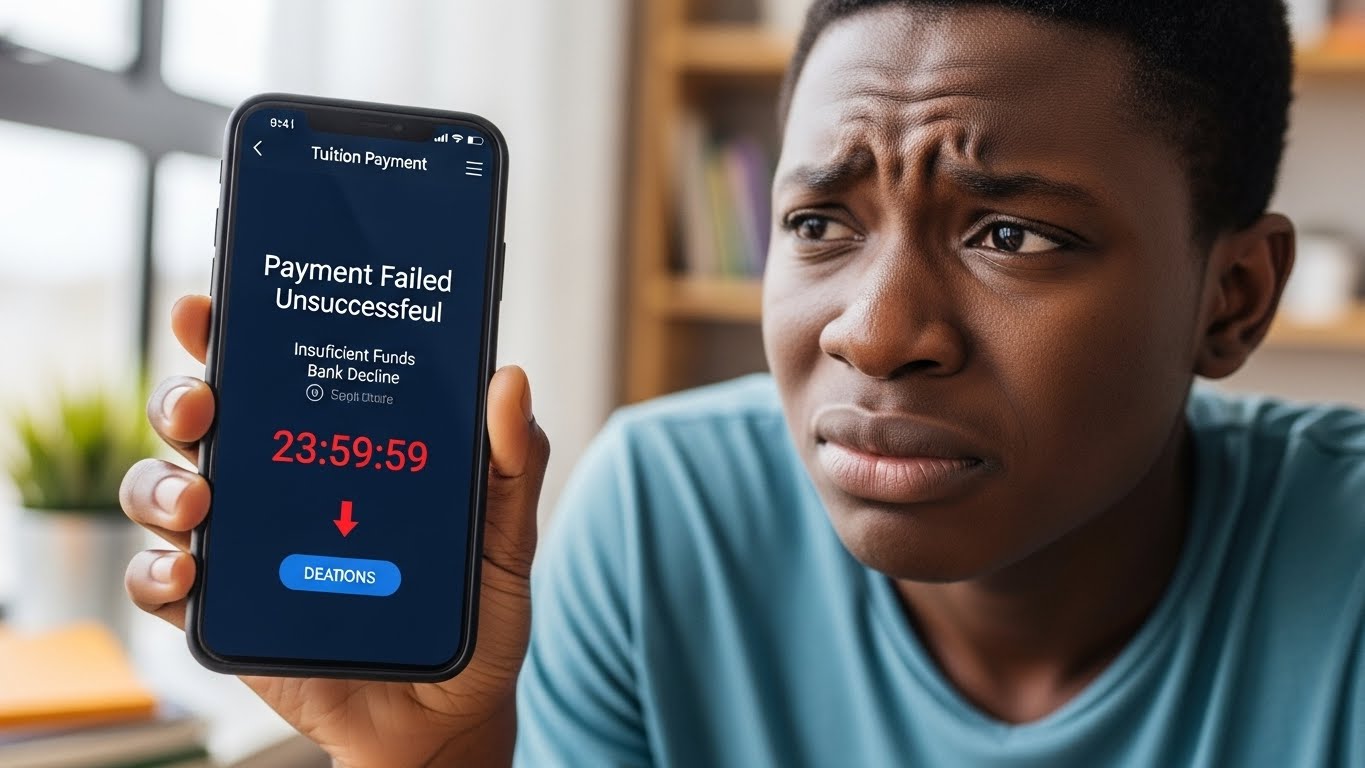
Online admissions are meant to be smooth. A student finds a programme, fills out an application, and completes a payment. But too often, that last step fails. The student abandons the process, and the university loses revenue, commitment, and momentum. Payment drop-off isn’t just a technical problem. It is a friction point that weakens student experience and institutional financial health.
Every institution investing in digital enrolments must understand where and why students leave payments unfinished. They must also know how to fix these issues with strategy, technology, and empathy.
Where Students Abandon Payments
Students abandon payments for several reasons, and many are tied to timing, technology, and transparency.
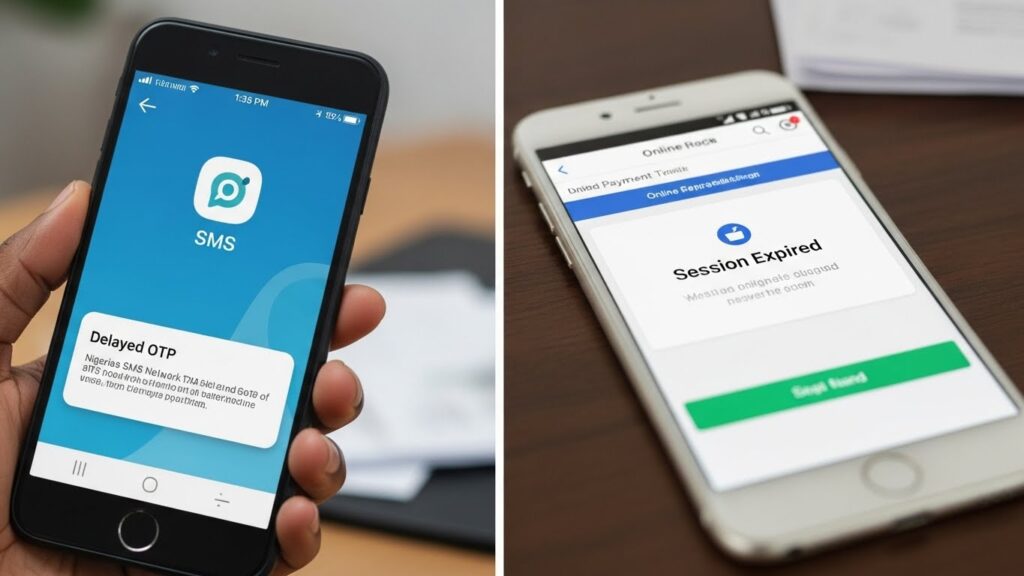
First, time-sensitive steps like one-time passwords (OTP) can block transactions. When the OTP from a bank or mobile network is delayed, students may time out or lose patience before entering the code. In digital payments, every second without feedback increases the risk of abandonment.
Second, bank declines are common in online admissions. Whether the issuing bank flags the transaction as risky or simply declines due to balance, students face repeated failures. After a couple of declines, many decide it’s easier to defer the application than troubleshoot payment issues.
Third, user interface errors on mobile devices can break the checkout flow. When buttons don’t respond, forms aren’t optimised for small screens, or the page refreshes incorrectly, students simply exit the page. Friction like this is especially damaging in regions where mobile is the dominant access method.
Fourth, session timeouts force students to restart the entire process. Many payment flows automatically expire after a set time for security, but without clear warnings and extended timers, students can easily lose work and abandon the process.
Fifth, network instability causes partial or failed transactions. In regions with intermittent connectivity, students may submit payment only to see an error or receive no confirmation at all. Without immediate resolution options, they give up and look for alternative programmes or providers.
Statistics from checkout and online behaviour research show that technical and speed issues account for a notable share of payment abandonment in digital systems, with recent industry data on checkout failures indicating that this share is upwards of 17%. This suggests that improvements in reliability and responsiveness can directly reduce drop-off.
Local vs Global Gateways
Choosing payment gateways wisely is a strategic decision for institutions. Local and global providers each have pros and cons.
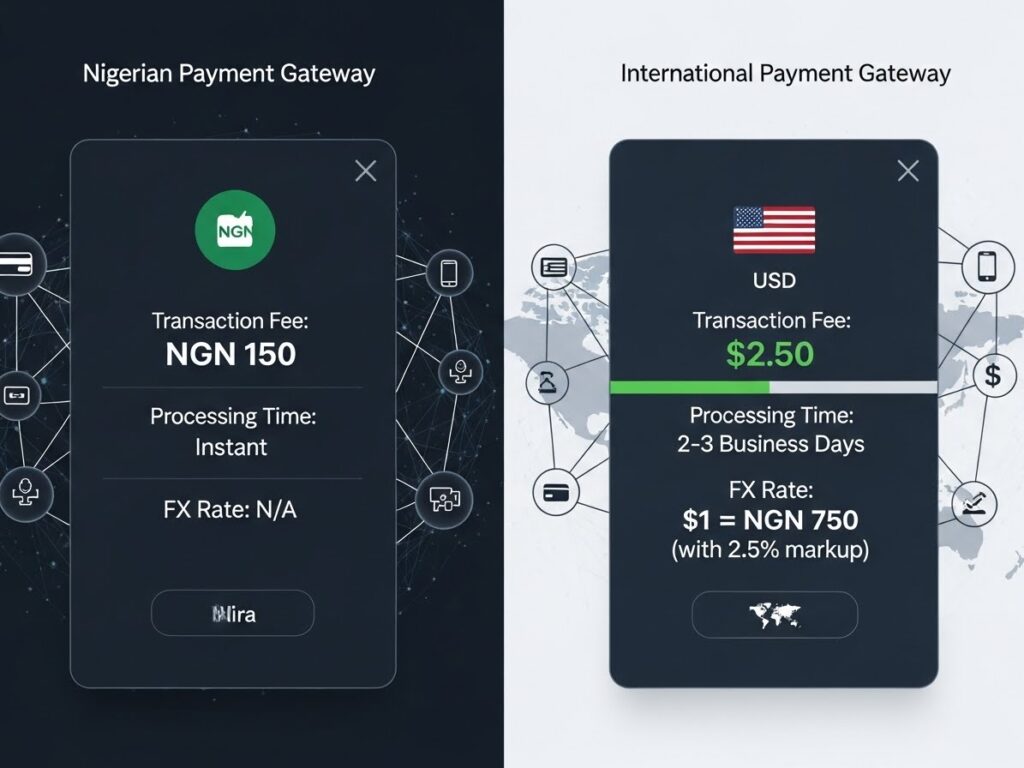
Local gateways, such as Paystack and Flutterwave, often process domestic card transactions faster. Their integrations with local banks and mobile money providers mean fewer declines due to issuer flags, and they usually support payment types that students in the region prefer. This familiarity reduces confusion and increases trust.
In contrast, global gateways may introduce foreign exchange charges automatically for cross-border payments. These charges can make the final amount higher than expected and lead to students abandoning payments. Global providers also tend to settle funds more slowly, which slows financial reconciliation for the institution.
Settlement delays don’t just affect cash flow. They lead to increased refund requests from international students who thought their payment had been completed but didn’t reflect in the school’s account. Cross-border failures are common when currency mismatches occur, students pay in one currency, but the invoice is issued in another, resulting in confusion and payment reversal.
A balanced approach usually works best. Leveraging both local and global gateways allows institutions to serve domestic students efficiently while still supporting international card payments.
Why One Payment Option Is Not Enough
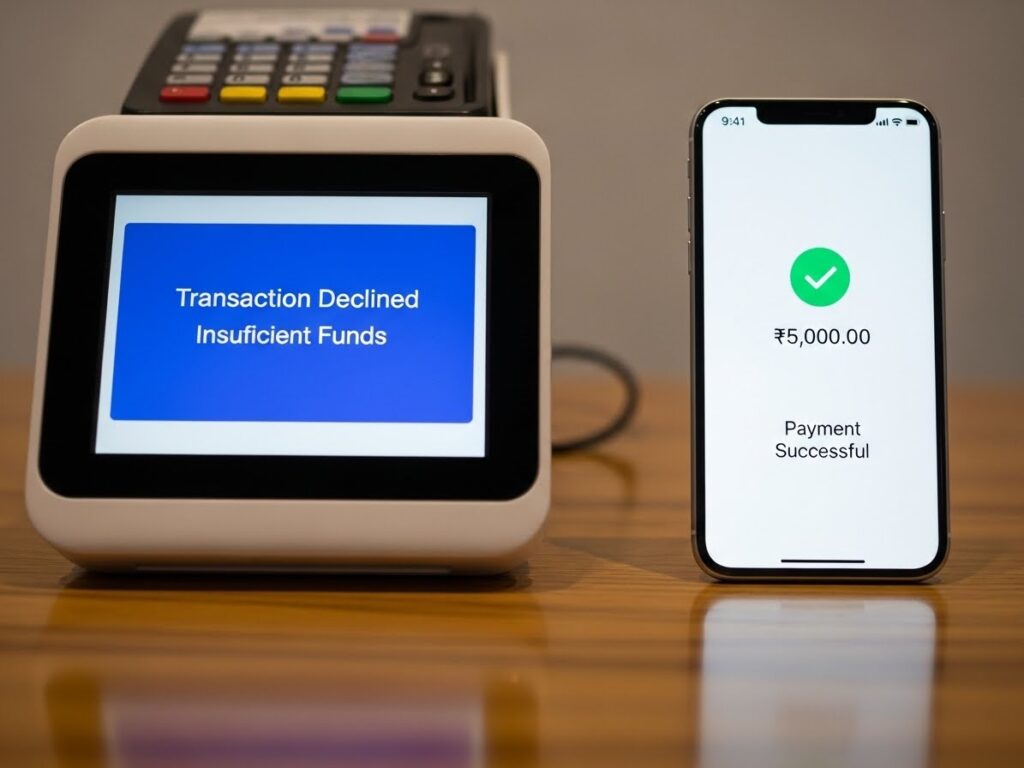
Relying on a single payment method is a recipe for drop-off.
Daily bank limits can cause card payments to fail even when students have enough overall funds. The bank may block the transaction in real time, and with no alternative method offered on the portal, the student abandons the payment altogether.
Digital wallets succeed in cases where cards fail. Many students use mobile wallets because they load funds or link to accounts without needing card details each time. Wallets act as a convenient fallback during card downtime.
Bank transfers still dominate when fee payments are large. For large tuition or program fees, students or their sponsors may prefer direct bank transfers. A single payment option that only accepts cards misses this important audience segment.
Students also prefer payment methods they are familiar with. In Nigeria and other markets, preferences include bank transfers, USSD, mobile wallets, and payment links rather than international cards.
Offering multiple options reduces total drop-off rates. Research on general cart abandonment underscores that about 13% of users abandon transactions because their preferred payment method isn’t available. Diverse options make a portal more inclusive and accessible.
Trust Signals That Improve Conversion
Trust is paramount in payment flows. Students and families must feel confident that their money and data are secure before they hit the final “Submit” button.
SSL certificates that secure payment pages are non-negotiable. They encrypt data and signal that the site is safe. Institutions should clearly display that the page uses secure HTTPS encryption.
Instant payment receipts build confidence. When students know immediately that their payment was received, they are less likely to contact support or worry about duplicate charges.
A clear refund policy reduces hesitation. If a student sees that refunds are offered and understands how they work, they are more likely to complete payment even when unsure about schedules or plans.
Showing verified gateway logos also improves trust. A badge from established payment providers or local trusted brands reassures students that their data is processed by a reputable service.
No hidden charges at checkout increase completion rates. If the final price changes unexpectedly due to convenience fees or taxes added late in the flow, many will abandon the payment. Be transparent on every cost from the first step.
How Universities Should Structure Payment Flow
Structuring the payment flow wisely can dramatically reduce drop-off and boost completion.
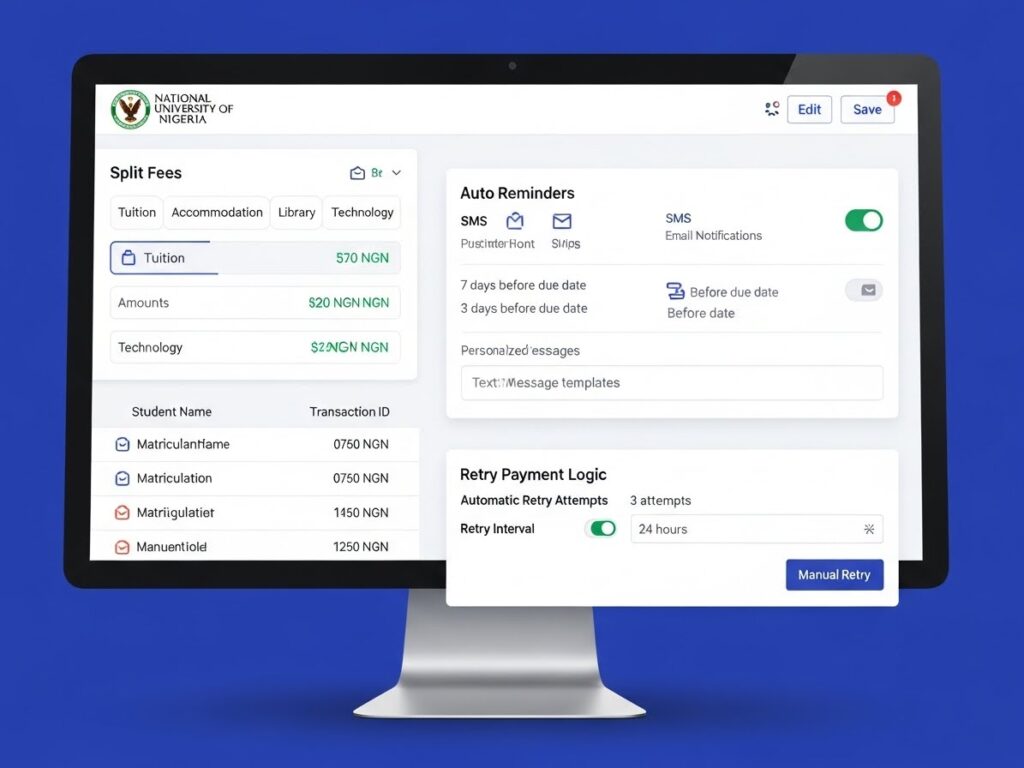
Split tuition into milestone-based payments.
Breaking fees into smaller, scheduled payments reduces the psychological and financial burden on students. They are more likely to complete a smaller payment than a large lump sum. Offering support for instalment plans alongside online admissions reduces abandonment.
Auto reminders reduce unpaid application delays.
Emails, SMS notifications, and in-app alerts remind students of upcoming payment deadlines or abandoned transactions. Well-timed reminders can recover incomplete payments if the intent was high, but something interrupted the process.
Implementing retry logic recovers failed transactions.
If a payment fails due to a timeout, network error, or temporary decline, the system should automatically attempt a retry or suggest an alternative method without forcing the student to start from scratch.
Real-time payment status updates prevent confusion.
Students should see instant feedback about whether their transaction is processing, failed, or successful. Ambiguous messages lead to repeated clicks and confusion, increasing abandonment.
Finally, a central dashboard that tracks success and failure rates helps administrators monitor patterns and intervene proactively. Insights from payment analytics let teams identify peak failure points, gateway issues, or regional trends, allowing targeted improvements.