
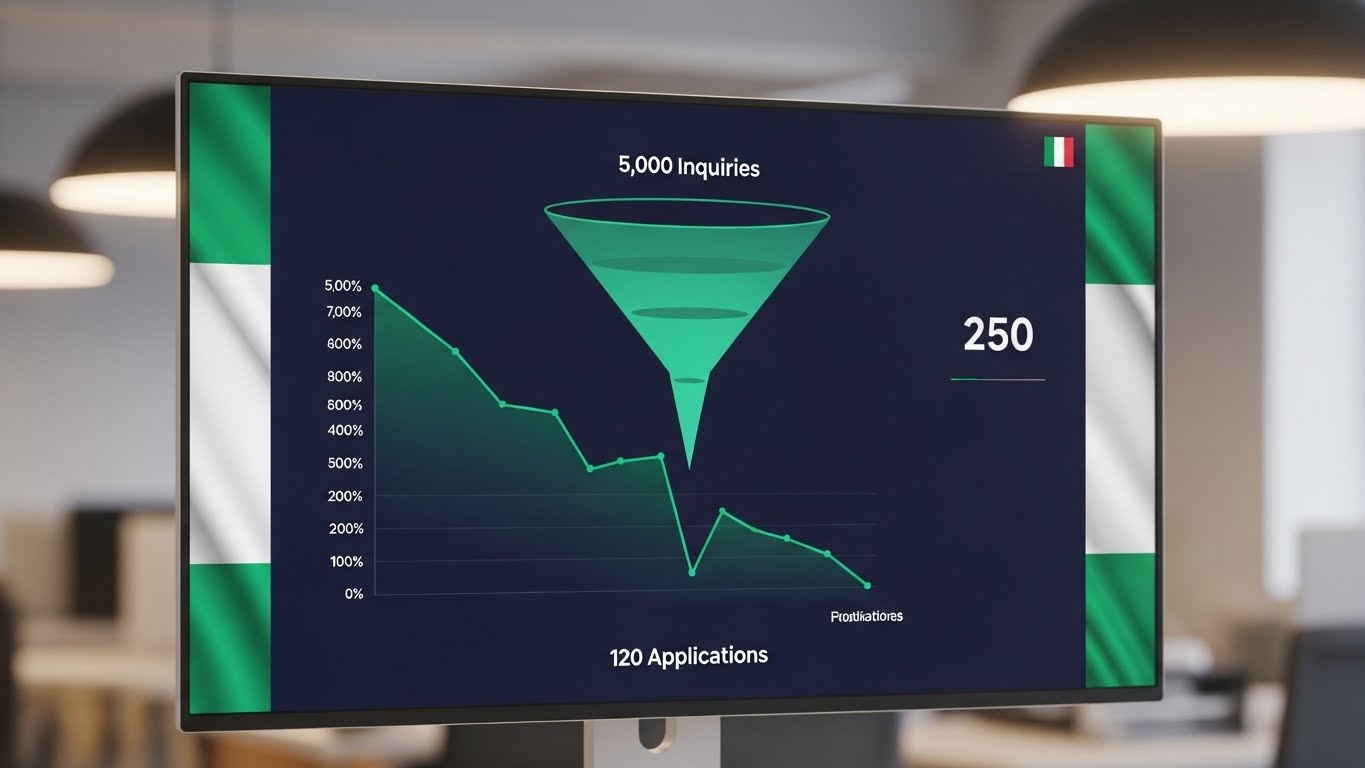
When a prospective student clicks “Contact” or fills out an inquiry form, they bring more than curiosity. They bring intent, timeliness, and often, a short window in which a clear, helpful response can turn interest into application. Yet across higher education, teams watch promising leads evaporate. A quiet email. An unanswered call. A form that stalls halfway. Each small failure compounds, the applicant abandons the process, and the institution loses not just one potential enrolee but the trust that could have led to many more referrals.
This is admission funnel leakage in everyday clothing: human friction, slow systems, confusing rules, and clumsy forms that together create an invisible sieve. For school leaders who juggle budgets, academic planning, and compliance, the losses are real and measurable. For admissions counsellors on the ground, these losses feel personal; no one wants to watch an eager applicant walk away because an admin inbox is full or a PDF upload failed on a phone. That tension, between the tight timing of student intent and the slow pace of many admission systems, is where most institutions lose applicants.
Read more: AI in University Admissions: What Actually Works at Scale
Fixing the leakage doesn’t require a complete overhaul of the mission or values. It requires targeted fixes at high-leakage moments: the first reply, the follow-up cadence, the clarity of eligibility guidance, and the ease of completing and submitting required documents.
5 places where leads typically die between inquiry and application:
1. Slow First Response Time: intent decays faster than you think
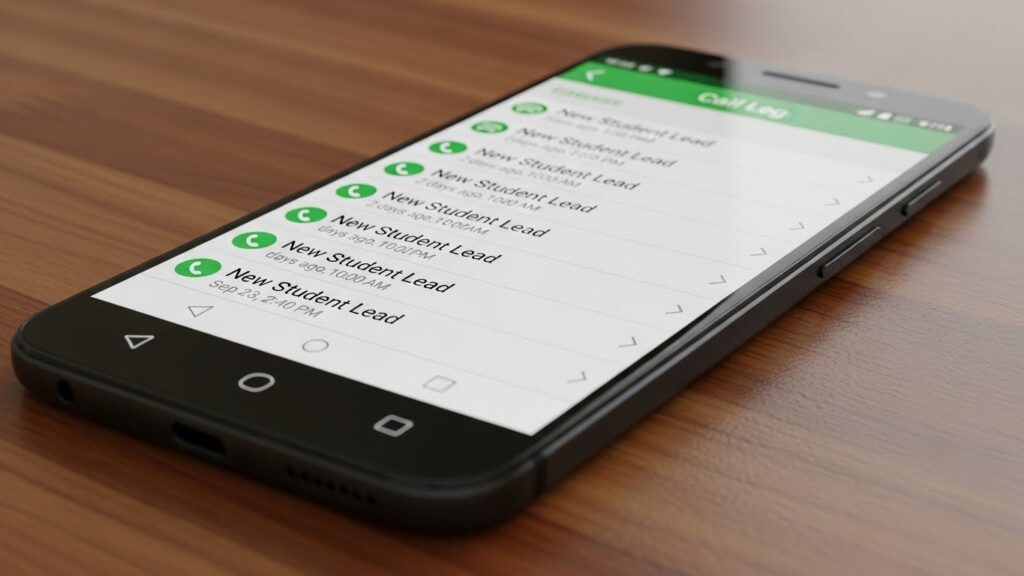
Intent fades quickly. Research shows many organisations fail to respond quickly enough to online leads; the result is predictable: students reach out to competitors who answer faster. In the world of online inquiries, minutes matter. Prospective students often compare multiple institutions in the same browsing session. If your initial response arrives hours later, that student has likely already engaged elsewhere.
Practical takeaways:
- Define and publish a response SLA for inquiries: aim for under 30 minutes for high-intent channels like web chat and form submissions. Where human coverage cannot guarantee that, use an always-on auto-responder that provides next steps and a clear timeline for a personalised reply.
- Automate triage: use basic lead routing rules to send certain program inquiries directly to specialists, and route general questions to an enrolment team that can escalate quickly.
- Measure response time weekly and display it on a simple dashboard. Visibility creates accountability.
If your team struggles to be that fast, that’s a sign your systems, not your people, need help. The good news is that modern CRMs and automation tools make sub-hour responses feasible without hiring a fleet of new staff.
2. No Follow-Up Structure: One call rarely closes a lead

Admissions is a relationship game. One outreach attempt converts very few applicants. Across sales and recruitment contexts, repeat touches, emails, SMS reminders, brief calls, are what move the needle. Many schools rely on an initial counsellor phone call, then deprioritise that lead when it doesn’t convert immediately. That pattern loses applicants who would have enrolled after a gentle nudge or a timely clarification.
Practical takeaways:
- Build a standardised follow-up cadence: for example, Day 1 immediate acknowledgement, Day 2 targeted email with program FAQs, Day 5 SMS reminder about application deadlines, Day 10 personal call from counsellor if engagement is high.
- Track every attempted contact and its outcome in a single system so nothing disappears into personal inboxes or spreadsheets.
- Use templated content that counsellors can personalise quickly. Counsellors should spend time advising, not retyping the same messages.
A consistent follow-up structure raises conversions by capturing applicants who need time or reassurance. It’s simple to test: run an A/B of two cadences and measure the lift in completed applications.
Read more: How Digital Platforms Are Simplifying Global University Admissions
3. Confusing Eligibility Rules: clarity is a conversion tool

Nothing kills trust faster than conflicting answers. When students receive different advice from chat, email, and phone, about prerequisites, credit transfers, or scholarship eligibility, they often decide the process is too risky and walk away. Misinformation that leads to rejection later is especially damaging: those students are unlikely to return. Clear, consistent eligibility guidance up front reduces wasted effort for applicants and wasted time for counsellors.
Practical takeaways:
- Publish concise eligibility checklists on program pages and embed short decision trees on inquiry forms so students can self-check before applying.
- Create a single source of truth for counsellors: an internal knowledge base that is updated whenever academic rules change.
- Use quick eligibility screening forms that flag likely mismatches early and suggest alternative programs rather than letting applicants drift into likely rejection.
When eligibility is clear and visible at the earliest touchpoint, fewer students start the wrong application, and more finish the right one.
4. Document Friction: The application should respect mobile-first behaviours
Application forms and document uploads are where patience runs out. Long file lists, unclear format instructions, and upload failures on mobile devices cause abandonment at scale. Data shows form abandonment is widespread; most users stop a form before finishing. That’s especially relevant when applicants are completing forms on phones, juggling scans, or unsure which document version qualifies.
Practical takeaways:
- Make forms mobile-friendly and allow applicants to take photos of documents rather than requiring PDFs. Provide clear examples of acceptable file quality and formats right at the upload field.
- Let applicants save their progress and return later. A “save and continue” option alone reduces drop-off dramatically.
- Validate documents server-side where possible and give immediate, human-friendly feedback if an upload fails, don’t wait until review to tell someone their transcript was unreadable.
Small UX fixes here create big wins. Reducing friction during document submission increases completion rates and improves the quality of the initial dossier counsellors receive.
5. Fixing the Journey with Automation: smarter systems, not more manual work
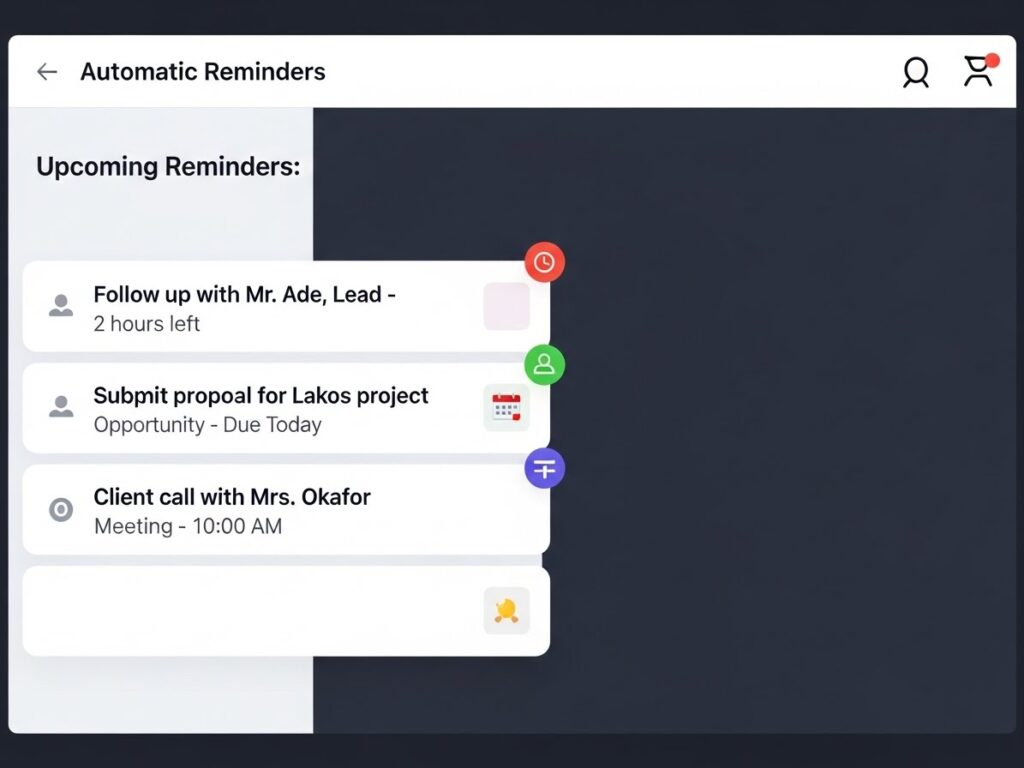
Automation is not about replacing counsellors. It is about giving them tools to intervene where human help matters most. Stage tagging lets you see who’s at “Inquiry” versus “Application started,” so counsellors can prioritise interventions. Auto reminders revive cold leads with timely nudges. Drop-off alerts surface when someone stalls at a specific form step. Early eligibility checks filter out mismatches before application fees are wasted. Dashboards expose where leakage is highest, so leaders know precisely where to invest. Leading CRM vendors and platforms show how integrated lead management and automation can scale follow-up without losing personalisation.
Practical implementation checklist:
- Tag stages and set automated triggers for the common drop-off points: no response in 48 hours, incomplete document uploads after three days, or eligibility mismatch flagged.
- Create templated multi-channel sequences, email, SMS, and in-platform notifications, that can be personalised with a few clicks.
- Use dashboards to track conversion by channel, program, and counsellor. Look for patterns and adjust cadences, not just headcount.
If you’d like a conversation about practical tools and staged automation for your institution, our team would love to help. Visit Edutech Global to learn more, read related posts on our blog, or contact us directly.