
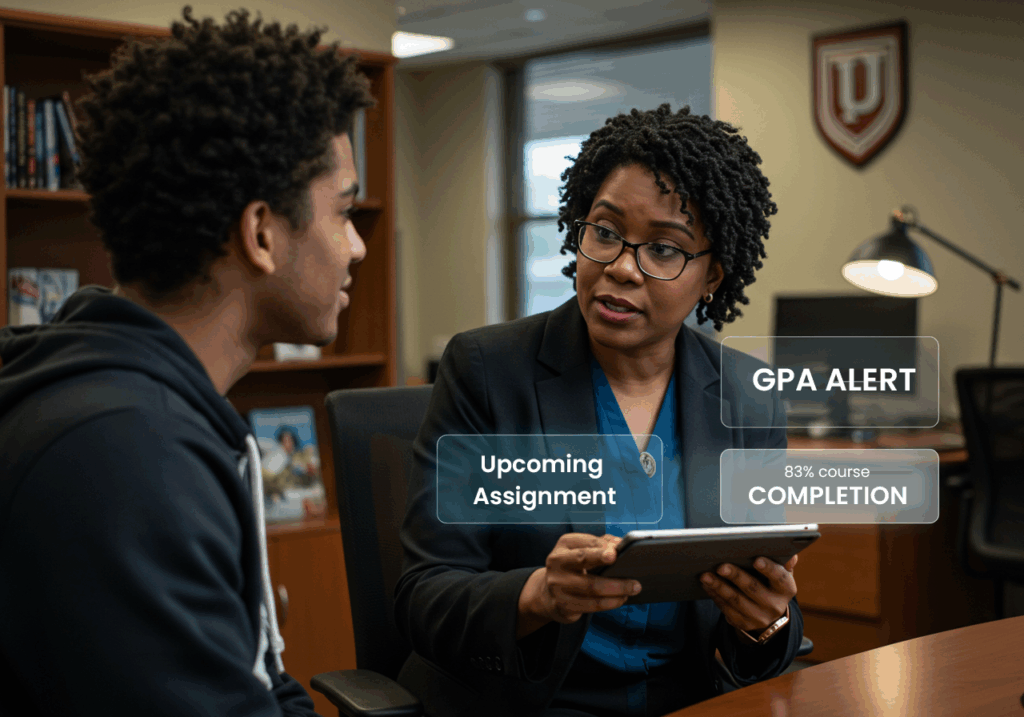
Universities today are awash with data, grades, attendance logs, financial records, learning-platform activity, and demographic info. Yet, much of this data languishes in silos and legacy systems, offering little real-time insight. Imagine a student who struggles in foundational courses; their warning signs go unnoticed until mid-semester. Departments duplicate efforts. Reporting is inaccurate. Compliance checks are reactive and stressful.
This is the gap: universities aren’t turning their data into actionable intelligence. They’re still bound by manual alerts, outdated spreadsheets, and slow integration. This is despite the rapidly growing education technology landscape in Nigeria. (Explore how Nigeria’s EdTech market is projected to hit $400M by 2030)
The ultimate question looms: What if universities could optimise student data systems to deliver real-time, accurate, and secure insights that improve decision‑making, support student success, and meet regulatory demands?
Let’s explore why optimising student data systems is no longer optional; it’s essential for data-driven excellence.
Optimising student data systems: The foundation for data‑driven universities

A student data system, also known as a Student Information System (SIS) or Education Management Information System, organises, stores, and processes records such as enrolment, academic performance, demographics, and engagement.
Traditional systems often suffer from:
- Outdated interfaces
- Fragmented data across departments
- Poor real-time integration
- Limited analytical tools
Optimising student data systems is a key step in driving digital transformation across higher education. It entails centralising previously scattered data, enabling real-time synchronisation between platforms, integrating powerful analytics, and automating routine workflows. Beyond improving operational efficiency, this transformation equips universities with advanced student information analytics and academic data management capabilities, allowing them to gain deeper insights, respond proactively to student needs, and make more informed, data-driven decisions at every level.
Common Data Challenges in Higher Education Systems
1. Integration Breakdowns
Data lives in multiple systems, LMS, finance, and admissions, that often don’t talk to each other. Reports can conflict. Manual reconciliation is time-consuming.
2. Human Error
Manual data entry breeds mistakes. A misplaced decimal in tuition could trigger billing errors, mis-flagged statuses, or missed financial aid deadlines.
3. Lag in Data Updates
Synchronising systems nightly isn’t enough. A student’s midterm failure might not be visible to advisors until too late to help.
4. Analytics Gaps
While 90% of global data was created in just two years, only 31% of institutions systematically collect and use SIS data. That’s a lot of potential left untapped.
5. Compliance Risks
Regulations like FERPA (US), GDPR (EU), and Nigeria’s NDPR demand strict governance. Inadequate audit trails or uncontrolled data access may lead to breaches, fines, and reputational damage.
Essential Features When Optimising Student Data Systems
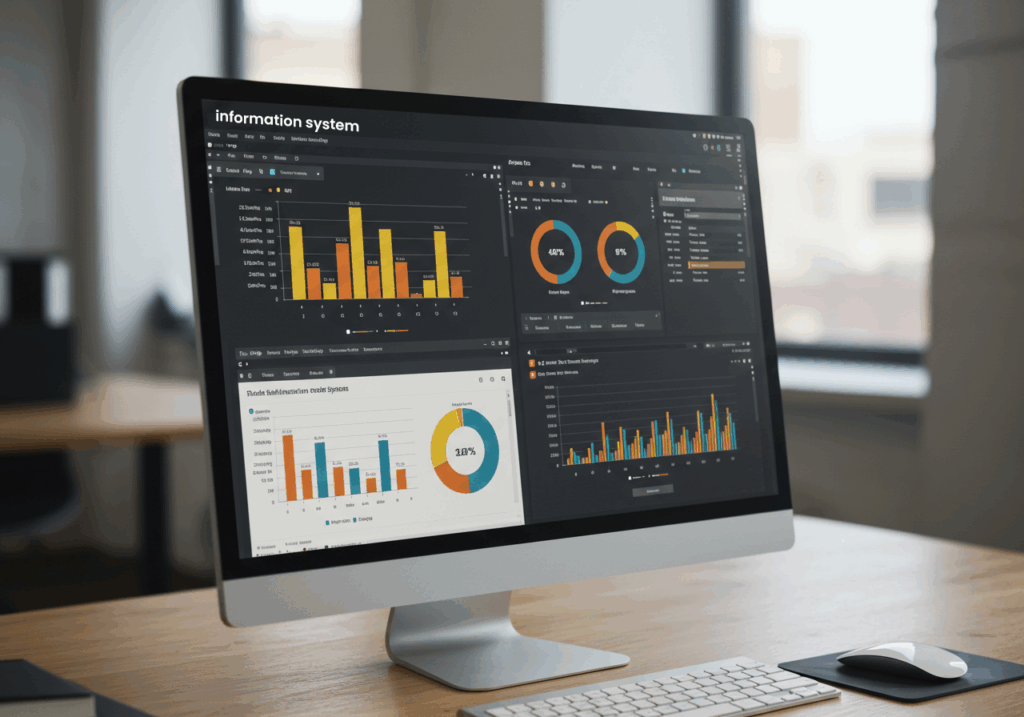
Optimising an SIS requires these core features:
1. Centralised Dashboard
A unified portal that shows academic performance, engagement data, billing status, and compliance alerts customised by role.
2. Real‑Time Sync
Automated data flows and APIs that update information instantly, no more nightly delays.
3. Audit History
Complete logs for every change, who made it, when, and why, to support transparency and compliance.
4. Access Levels
Role-based permissions ensure that students, advisors, and admins see only the data they’re entitled to.
These features together enable university data integration that’s both powerful and secure.
The Academic Benefits of Optimising Student Data Systems
- Faster Decisions
At-risk students are flagged instantly. Advisors no longer wait weeks not weeks to reach out.
- Improved Student Support
Data enables early interventions. For instance, grade flags in gateway courses correlate directly with retention.
- Accurate Reporting
Analytics dashboards replace static spreadsheets. They reveal trends in retention, equity gaps, and enrolment patterns automatically.
- Compliance Assurance
Automated audit trails and permissions ease regulatory reporting and reduce risk.
- Insights for Innovation
Predictive analytics helps universities anticipate needs and act proactively.
Tech Approaches to Optimising Student Data Systems
1. APIs & Middleware
Use secure APIs and middleware to facilitate real-time data exchange between SIS, LMS, and other systems no manual batch imports.
2. Automated Workflows
Set up triggers: e.g., if a student’s grade drops below a threshold, auto-generate alerts, schedule notifications, or even set up meetings.
3. Machine‑Learning Data Cleaning
Automated tools can detect anomalies, duplicates, or missing entries and flag records for review, boosting the efficacy of educational data platforms.
4. Analytics & Dashboards
Embed real‑time student insights inside the system. Advisors and faculty can monitor performance trends, engagement levels, and intervention outcomes.
5. Governance & Privacy Tools
Implement data masking, retention policies, and consent management to comply with NDPR, GDPR, and FERPA.
The Academic Benefits of Optimising Student Data Systems
Optimising student data systems benefits students, faculty, and the institution at large:
- Personalised Student Journeys: Data-driven guidance nurtures individual student success.
- Better Resource Allocation: Identify underused services or overburdened programs.
- Research Growth: Longitudinal data fuels evidence-based pedagogy.
- Market Competitiveness: Efficient data use supports high student satisfaction and retention, improving rankings.
How Edutech Global Helps with Optimising Student Data Systems
At Edutech Global, we specialise in helping universities move from fragmented, outdated student information systems to unified, data-driven ecosystems that support smarter decision-making and long-term institutional growth. This transformation is made possible through Vigilearn Technologies, one of our dedicated subsidiaries focused on education technology and digital infrastructure. Through Vigilearn, we’ve successfully executed system-wide upgrades that deliver measurable impact.
Implementations
- University A: They were previously managing data across multiple legacy platforms, which led to frequent inconsistencies, delays, and an over-reliance on manual processes. We consolidated all systems into a single, integrated Student Information System with real-time data synchronisation. The result was a 35% reduction in data errors, streamlined operations, and a reporting process that became twice as fast, freeing up staff to focus more on student engagement and less on administrative backlogs.
- University B: The challenge was different. They struggled with identifying and supporting students at risk of dropping out, especially in their critical first year. By deploying predictive analytics tools through Vigilearn’s platform, we enabled the university to flag high-risk students early based on performance trends, attendance records, and behavioural data. This proactive approach led to a 12% drop in first-year attrition and contributed to an estimated ₦100 million increase in retained revenue, highlighting how optimising student data systems can directly support both academic success and financial sustainability.
These examples underscore our commitment to delivering real results by aligning technology with institutional goals. When universities partner with Edutech Global and Vigilearn Technologies, they’re not just upgrading systems; they’re investing in long-term efficiency, better student outcomes, and future-ready infrastructure.
ROI & KPIs
- Operational Efficiency: 40% reduction in staff time spent on data tasks.
- Student Retention: 8–15% increase across implemented campuses.
- Compliance & Security: Zero data breaches; full audit readiness.
Our multi-step strategy:
- Audit: Evaluate current data landscapes and identify bottlenecks.
- Plan: Custom integration roadmap with vendor recommendations.
- Implement: Deploy middleware, APIs, ML cleaning, and reporting modules.
- Train: Workshops to build student information analytics capabilities.
- Support: Ongoing monitoring and optimisation.
Optimising student data systems goes beyond a simple technological upgrade; it represents a fundamental shift in how universities function. By replacing fragmented systems with integrated, real-time, and analytics-driven platforms, institutions gain the ability to make quicker, data-informed decisions, deliver timely support to students, streamline compliance processes, and enhance both their institutional credibility and financial stability.
With the right systems, processes, and partners like Edutech Global, universities can truly become data‑driven institutions that support their students every step of the way. The future of higher education demands optimising student data systems not as a luxury, but as a necessity.
Is your university ready to unlock the power of optimised student data systems? Let Edutech Global guide your transformation. Schedule a system audit today via our Contact Page or explore our broader vision on the Homepage.